7 Simple Ways to Enjoy Music at Home
Enjoying music at home doesn't require expensive gear or complex setups. Here are seven practical ways to make your listening time more enjoyable, whatever your space or budget.
You don’t need a professional studio or expensive equipment to enjoy music at home. With a few thoughtful choices, you can create a relaxing or energising atmosphere and make the most of your favourite tracks.
Here are seven straightforward ways to elevate your music experience at home, whether you live alone, with family, or share a flat. Most methods work in any country, and you can adapt them for your space and budget.
Who will benefit from these tips?
This list is for anyone who wants to get more out of music at home, regardless of their living situation or technical skills. It’s especially helpful if you:
- Feel your music sounds flat or uninspiring through your current setup
- Want to make music a bigger part of your daily routine
- Share your home with others and need to balance tastes or privacy
- Are looking for affordable or simple improvements, not a full home renovation
- Live in an apartment or rental and need solutions that don’t disturb neighbours
1. Upgrade your speakers or headphones
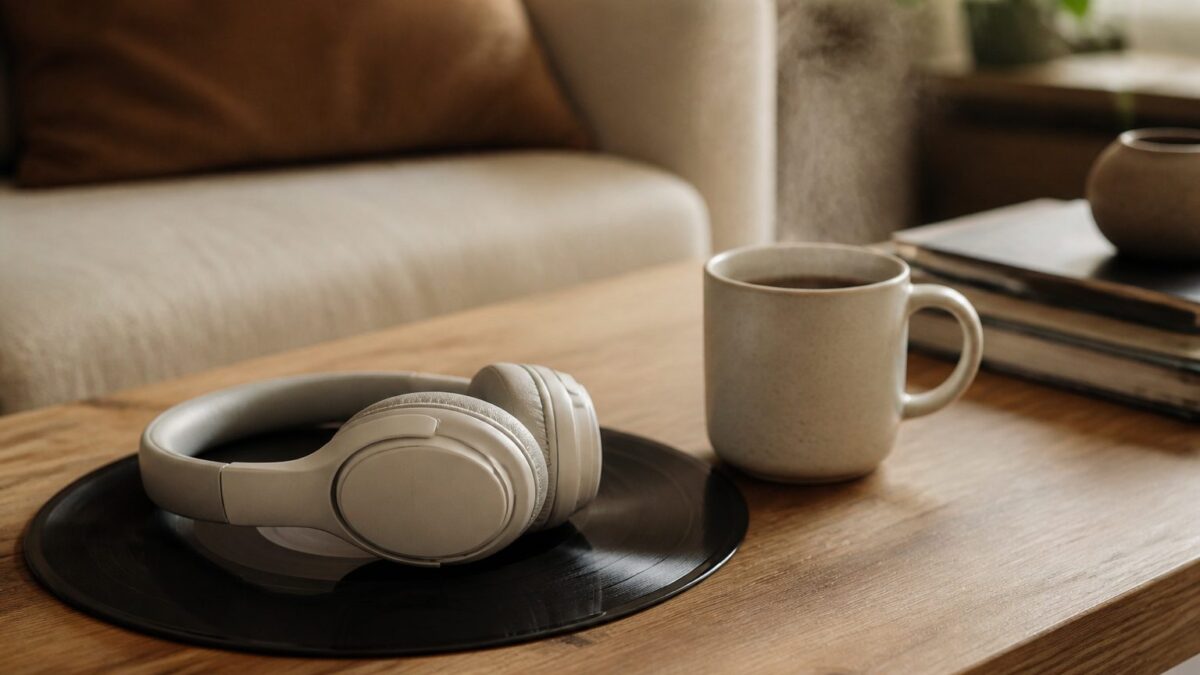
The easiest way to improve your music experience is to listen through better speakers or headphones. Even a modest upgrade from basic earbuds or laptop speakers can reveal details you never noticed before. Wireless Bluetooth speakers are convenient and often portable, allowing you to move music from room to room. Over-ear headphones provide immersive sound and keep your listening private—a good choice for shared spaces or late-night sessions.
If you’re on a budget, look for reviews of entry-level audio gear available in your region. In the US, UK, and EU, many retailers offer affordable brands that outperform built-in device speakers. In India and South Asia, local brands and online marketplaces can provide good value. Always try to listen before you buy, or ensure you can return items that don’t suit your taste.
2. Set up a dedicated listening area
Creating a small corner or area for music can make listening more intentional and enjoyable. You don’t need a separate room—just a comfortable chair, a small table, and a power outlet for your device or speakers. Arrange your setup away from noisy appliances or busy hallways. Add a lamp or some soft lighting for evening sessions.
If you have vinyl records or CDs, keep them within reach. For digital listeners, a tablet or phone stand can help you control playback easily. In shared homes, noise-cancelling headphones or a closed-door policy during listening times can help establish your space without disturbing others.
3. Explore curated playlists and music discovery
Streaming services like Spotify, Apple Music, YouTube Music, and Amazon Music (available in most countries) offer curated playlists for every mood and genre. Try exploring new releases or themed playlists for relaxation, focus, or exercise. Many platforms provide algorithm-driven recommendations based on your listening habits, introducing you to artists you might not find otherwise.
If you prefer physical media, consider exploring local record shops (where available) or swapping albums with friends. Radio stations—both FM and internet-based—are another good source for music discovery, especially for local artists or niche genres.
4. Create a multi-room audio setup
Multi-room audio lets you play music in several rooms at once, either synchronised or independently. Smart speakers like Amazon Echo, Google Nest, or Sonos (available in the US, UK, EU, India, and Australia) make this easy, but you can also use Bluetooth speakers paired to different devices. Some streaming apps support group playback, so everyone in the house can enjoy the same playlist or listen to their own choices in private spaces.
This setup is ideal for families, parties, or anyone who moves between rooms frequently. If you’re renting or live in an apartment, choose wireless options that don’t require drilling or permanent installation. Prices vary widely: a basic multi-room setup can start around $100 (GBP 80/EUR 90/INR 8,000) per speaker, with more advanced systems costing more.
5. Organise your music collection
Having your music well organised makes it easier to find old favourites and discover new gems. For digital libraries, use playlists and folders to group music by mood, genre, or activity. Apps like iTunes, VLC, and most streaming services offer playlist and tag features. Back up your collection to avoid losing it if your device fails.
If you collect records or CDs, store them vertically in a cool, dry place, away from direct sunlight. Use dividers or labels to make browsing easier. Consider cataloguing your collection with a simple spreadsheet or a free app—especially if you lend music to friends or family.
6. Share music with others at home
Music is often best enjoyed together. Host a casual listening party, where each person chooses a song or album to play. In families, create shared playlists for chores, cooking, or relaxing. Many streaming services allow collaborative playlists, so everyone can add tracks from their own accounts.
For long-distance sharing, use features like Spotify Group Session or Apple SharePlay (where available) to synchronise playback with friends or family. If you have young children, involve them in making themed playlists or exploring new genres together. This not only makes music more social but can introduce everyone to new sounds.
7. Try simple acoustic improvements
Room acoustics affect how music sounds, even with good speakers. Hard surfaces (bare walls, floors, and windows) reflect sound, sometimes making it harsh or echoey. Soft furnishings—rugs, curtains, cushions—help absorb and diffuse sound, creating a warmer, more balanced listening environment.
You don’t need professional treatment. Placing a rug in front of your speakers, adding a bookshelf, or hanging thick curtains can make a noticeable difference. If you’re in a rental, these changes are usually temporary and won’t damage the property. Experiment with speaker placement: moving speakers away from corners or walls can reduce unwanted bass or echoes.
| Way to enjoy music | Best for | Estimated cost | Setup difficulty |
|---|---|---|---|
| Upgrade speakers/headphones | Private or shared listening, all spaces | $30–$300 (GBP 25–250/EUR 28–280/INR 2,500–25,000) | Low–Medium |
| Dedicated listening area | Focused listening, relaxation | $0–$100 (GBP 0–80/EUR 0–90/INR 0–8,000) | Low |
| Curated playlists/discovery | Exploring new music, all users | $0–$10/month (most streaming services) | Very Low |
| Multi-room audio | Families, shared homes | $100–$600+ (GBP 80–500/EUR 90–550/INR 8,000–50,000+) | Medium |
| Organise collection | Collectors, playlist fans | $0–$20 (GBP 0–16/EUR 0–18/INR 0–1,600) | Low |
| Share music with others | Families, friends, social listeners | $0–$10/month (streaming apps) | Very Low |
| Acoustic improvements | Improving sound in any room | $0–$150 (GBP 0–120/EUR 0–135/INR 0–12,000) | Low |
Common mistakes to avoid
Many people unintentionally undermine their home music experience by falling into several avoidable traps. By understanding these common mistakes, you can sidestep frustration, save money, and get more out of your music setup—no matter where you live.
- Playing music too loud in apartments or late at night, risking noise complaints
In densely populated cities like Singapore or Paris, playing music at high volumes—especially after 10 p.m.—can quickly lead to complaints or even fines. Even in detached homes, sound can travel farther than expected. Use headphones for late-night listening or keep speakers at a moderate level. Some countries, such as Germany, have local quiet hours (Ruhezeit) that are strictly enforced, so check local norms. - Ignoring room acoustics—great speakers sound poor in echoey or cluttered spaces
Don’t assume expensive speakers will always sound good. Hard floors, bare walls, and glass surfaces reflect sound, making music harsh or muddled. In Scandinavian countries, minimalist interiors can create echo problems, while in older UK homes, thick carpets and curtains help absorb sound. Add rugs, curtains, or bookshelves to improve acoustics before blaming your equipment. - Letting music discovery rely only on automated suggestions—sometimes they repeat the same tracks
Algorithms on Spotify, Apple Music, or YouTube Music often recommend familiar songs, resulting in a repetitive playlist. To broaden your horizons, follow user-created playlists, explore music blogs, or listen to radio stations from other countries. For example, try BBC Radio 6 Music in the UK or Triple J in Australia to find new artists. - Not backing up digital music collections, leading to lost favourites
Computer crashes, lost phones, or corrupted files can erase years of music collecting. Use cloud storage (like Dropbox, Google Drive, or local services such as Yandex Disk in Russia) to back up your library. For large collections, an external hard drive is a reliable backup. Set reminders to back up monthly or after adding new music. - Buying expensive equipment without considering your actual listening habits or space
It’s tempting to invest in high-end gear, but consider if it matches your needs. For example, a powerful stereo system may overwhelm a small Tokyo apartment and annoy neighbours. If you mostly listen to podcasts or background music, mid-range wireless speakers or quality headphones might suit you better. Think about your space, typical volume, and how often you listen before making major purchases.
By keeping these pitfalls in mind, you can make smarter choices, protect your music collection, and enjoy better sound—without unnecessary hassle or expense.
Quick checklist for better home music
Enhancing your music experience at home involves a combination of thoughtful planning, practical adjustments, and openness to new sounds. Use this expanded checklist to create a more enjoyable and reliable listening environment, no matter where you live.
- Assess your current setup—what do you like or dislike?
Take a critical look at your existing speakers, headphones, streaming services, and music sources. Ask yourself what works well and what feels lacking. For example, are your speakers too small for your living room, or does your Bluetooth connection often drop? Make a list of strengths and weaknesses. In Japan, many apartments come with built-in speakers, but their quality may be basic; in the US, people often use portable Bluetooth speakers, which can vary widely in sound. - Set a realistic budget if upgrading gear
Decide how much you can spend before shopping for new equipment. Entry-level bookshelf speakers can start around $50–$100 (USD), while high-end models might cost $500 or more. In the UK, you might find quality used hi-fi gear for less at local shops. Factor in all costs, including cables or stands, and remember that sometimes a minor upgrade (like better headphones) makes a big difference. - Try rearranging your room or adding soft furnishings
Room acoustics significantly affect sound quality. Hard surfaces like bare walls and floors reflect sound, causing echoes. Place a rug under your speakers, hang curtains, or add cushions to absorb sound. In Germany, thick carpets are common and help dampen noise, while in Australia, open-plan homes may need extra soft furnishings for the same effect. - Experiment with curated playlists and new genres
Use streaming platforms to explore playlists created by music experts or enthusiasts. Try genres you rarely listen to—classical in the morning, jazz at dinner, or global pop for a mood boost. Services like Spotify, Apple Music, and Deezer offer region-specific playlists, so you can discover local hits in Brazil or indie tracks from Sweden. - Create shared playlists if you live with others
Collaborate with housemates or family to build playlists everyone enjoys. On services like Spotify and YouTube Music, you can invite others to add songs. This helps avoid arguments over music choices and introduces everyone to new favourites. In shared flats in Spain, group playlists are popular for parties and everyday listening alike. - Keep your collection organised and backed up
Whether you have digital files or physical albums, keep them sorted logically—by artist, genre, or mood. Use cloud storage (like Google Drive or iCloud) to back up digital music, and consider a physical backup on an external hard drive. In France, music fans often digitise their CD collections for convenience and backup. - Be mindful of neighbours and housemates when playing music
Always consider the volume and time of day. In high-density cities like Hong Kong, thin walls mean sound travels easily, so use headphones at night. In detached homes, you have more freedom but still be courteous during early mornings or late evenings. If you’re unsure, ask your neighbours or housemates about their preferences.
Following these steps will help you create a more enjoyable, practical, and considerate music environment at home, regardless of your country or living situation.
Frequently asked questions
How can I improve music quality on a budget?
Start by using better headphones or a portable Bluetooth speaker, which often provide a big upgrade over phone or laptop speakers. Rearranging your room and adding soft furnishings can also enhance sound without spending much.
Is it legal to share streaming accounts with family?
Most streaming services offer family plans that allow sharing within the same household. Sharing outside your household may violate terms of service, so check the rules for your country and provider before sharing login details.
What is the easiest way to set up multi-room audio?
Smart speakers with built-in multi-room features (like Amazon Echo or Google Nest) are the simplest option. You can group them using the manufacturer’s app to play music in several rooms. Bluetooth speakers can also work, but require more manual setup.
How do I protect my hearing while listening at home?
Avoid listening at high volumes, especially with headphones. Take regular breaks and use volume-limiting features available on many devices. If you notice ringing in your ears after listening, reduce the volume or session length.
Are there free ways to enjoy music legally?
Yes. Many streaming services offer free tiers with ads, and public radio stations often stream online for free. You can also listen to music shared by local libraries or community groups, depending on your country.
Note: This guide offers general information. Prices, features, and services may vary by country and provider. Always check current terms before purchasing or subscribing. For significant spending, consider seeking advice from a qualified professional.