How to Prepare Your Car for a Road Trip
Preparing your car for a road trip reduces the risk of breakdowns and keeps your journey comfortable. This guide covers essential checks, packing tips, and safety advice for drivers worldwide.
Getting your car ready before a road trip is one of the best ways to avoid unwanted surprises on the road. A well-prepared vehicle helps prevent breakdowns, keeps everyone safe, and makes the journey smoother and more enjoyable.
This guide explains the key steps to prepare your car for a road trip, from essential maintenance checks to packing advice and legal requirements. Whether you’re driving across the US, UK, Europe, or India, these steps will help you travel with confidence.
Why preparing your car matters
Thoroughly preparing your car before a road trip is essential because long-distance travel exposes your vehicle to sustained stress and unfamiliar conditions. Even if your car performs flawlessly during short daily commutes, extended journeys can reveal hidden issues—such as worn brake pads, underinflated tires, or a weak battery—that might not be noticeable in regular use. For example, a minor oil leak that goes unnoticed in city driving can escalate into a major problem on a 1,000-kilometer drive across France or the US. Proactive checks and maintenance reduce the risk of breakdowns, which can be especially problematic in remote areas where roadside assistance may be slow or costly. In Australia, for instance, tow services in the outback can cost hundreds of dollars and take hours to arrive; in parts of Eastern Europe, you may not find a repair shop for many kilometers. Additionally, certain countries have legal requirements for roadworthiness—such as mandatory safety kits or emissions stickers in parts of Germany and France. Ensuring your car meets these standards helps you avoid fines or being turned away at borders. By investing time in preparation, you safeguard your trip against preventable setbacks, protect your passengers, and ensure compliance with all applicable traffic laws. This foresight ultimately leads to a more enjoyable and worry-free journey, wherever your travels take you.
Essential pre-trip maintenance checks
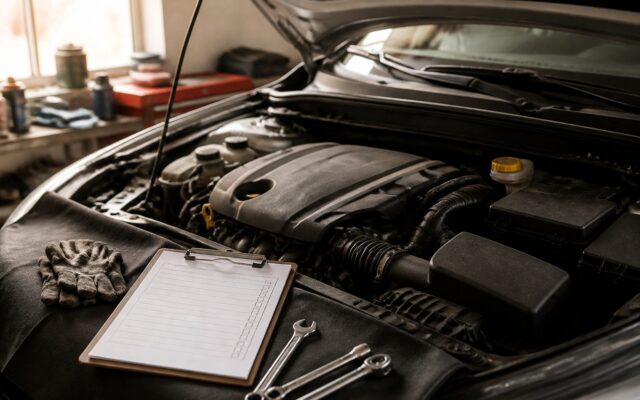
Start by scheduling a basic inspection, either at home if you’re comfortable or with a trusted mechanic. Here are the key areas to cover:
- Fluids: Check engine oil, coolant, brake fluid, power steering fluid, and windshield washer fluid. Top up or replace as needed. For longer trips or older cars, consider a full oil and filter change.
- Tires: Inspect for tread wear, damage, and proper inflation (including the spare). Adjust pressures for heavy loads, and replace any worn or damaged tires.
- Battery: Ensure the battery is securely mounted, terminals are clean, and the charge is healthy. Replace if it’s more than 4-5 years old or shows signs of weakness.
- Brakes: Listen for unusual noises and check for vibrations. If braking feels less responsive or you notice longer stopping distances, have them inspected professionally.
- Lights and signals: Test all exterior and interior lights, including headlights, brake lights, indicators, and hazard lights. Replace any blown bulbs.
- Wipers and windshield: Check for cracks or chips in the glass. Replace worn wiper blades and top up washer fluid.
- Belts and hoses: Look for cracks, leaks, or signs of wear. Replace anything brittle or leaking.
- Air conditioning and heating: Ensure both work properly, especially if you’ll be driving in extreme temperatures.
Packing emergency and safety essentials
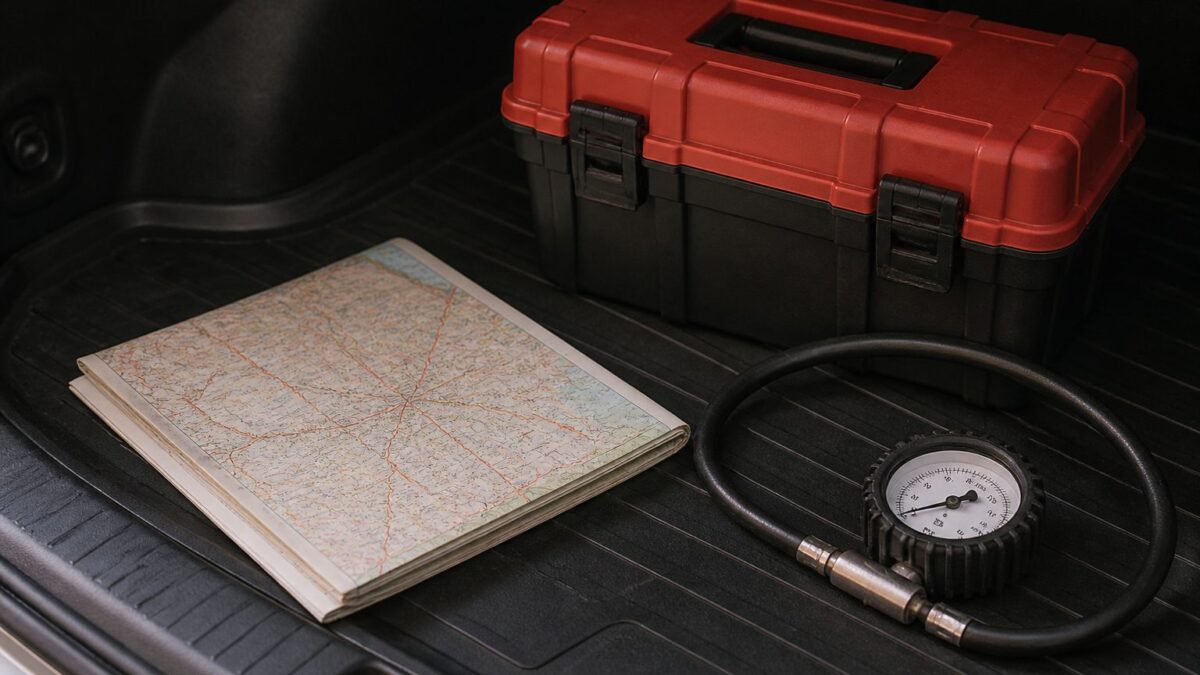
Even with careful preparation, emergencies can happen. Packing the right gear keeps you safer and more comfortable if you face delays or minor breakdowns. Essentials include:
- Spare tire, jack, and wheel wrench
- Jumper cables or a jump starter
- Tire repair kit and pump
- Basic tool kit (screwdrivers, pliers, adjustable wrench)
- First aid kit
- Reflective warning triangle and high-visibility vest (mandatory in much of Europe)
- Flashlight with spare batteries
- Blanket and bottled water
- Paper road map (in case of GPS failure)
- Phone charger and power bank
- Spare fuses and bulbs
In some countries, carrying specific items (like a fire extinguisher or spare bulbs) is a legal requirement. Always check local regulations for your route.
Documents and legal requirements
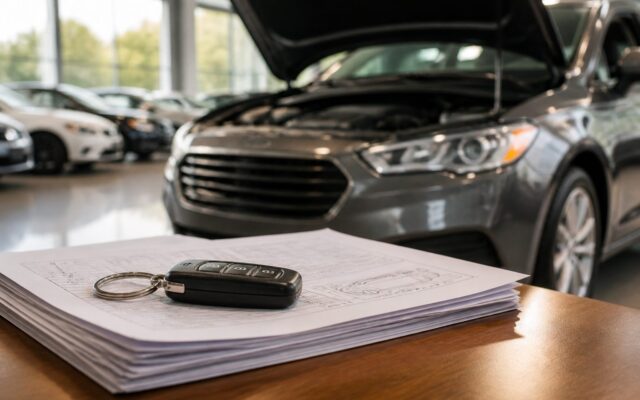
Make sure you have all the necessary documents for your trip. Requirements vary by country, but generally include:
- Driver’s license (international driving permit if required)
- Vehicle registration document
- Proof of insurance (check if your policy covers international travel)
- Breakdown cover details
- Passport and visas (if crossing borders)
In the EU, UK, and some other countries, you may need an emissions sticker or vignette for certain cities or highways. In India, ensure your Pollution Under Control (PUC) certificate is valid. Always research the specific paperwork needed for your journey.
Preparing your route and stops
Planning your route in advance helps avoid unexpected detours, fuel shortages, or missed attractions. Here’s how to prepare:
- Map out your route: Use reliable GPS and carry a paper backup. Mark fuel stations, rest stops, and food options, especially in remote areas.
- Plan breaks: Schedule stops every 2-3 hours to rest, stretch, and refuel. Fatigue is a major factor in road accidents.
- Check local rules: Speed limits, tolls, and road signs differ between countries. Familiarise yourself with unique road rules (for example, priority-to-the-right in parts of Europe, or horn restrictions in India).
- Accommodation: Book hotels or campsites in advance during peak travel seasons.
Choosing the right insurance cover
Reviewing and updating your insurance coverage is a crucial step before embarking on a road trip, especially if your route takes you across borders or you’re using a rental car. Start by confirming that your policy includes breakdown and recovery services; in many countries, this is not standard and may require a separate policy or add-on. If you plan to drive internationally, check if your insurer provides cross-border coverage—many European insurers offer a ‘green card’ as proof of minimum third-party liability coverage, which is required in countries like Serbia or Montenegro. In the US and Canada, coverage often extends across the border but may exclude Mexico unless you purchase a supplemental policy. Make sure your policy covers personal belongings and luggage, as theft from cars is a common risk in tourist areas in Southern Europe and parts of South America. Verify that your liability coverage meets or exceeds the legal minimums of your destination; for example, some European countries require higher limits than those standard in the UK or Ireland. If renting a car, check whether your credit card offers collision damage waiver (CDW) or theft protection—this can save you from purchasing expensive add-ons at the rental counter, but always read the fine print, as coverage varies widely. In India and parts of Europe, toll roads and certain highways may require you to show proof of valid insurance at checkpoints, so keep documents handy. Take the time to understand exclusions, such as off-road driving or driving in certain regions, to avoid denied claims. These steps help ensure you’re protected financially and legally, wherever your road trip leads.
Cost checklist: What to budget for
| Item | Estimated Cost (USD) | Notes (GBP/EUR/INR equiv.) |
|---|---|---|
| Basic maintenance check | $50 – $120 | £40–£95 / €45–€110 / ₹4,000–₹10,000 (India: varies by city) |
| Oil and filter change | $40 – $90 | £35–£75 / €40–€85 / ₹2,500–₹7,000 |
| New wiper blades | $15 – $30 | £12–£25 / €14–€28 / ₹500–₹1,500 |
| Spare tire or repair kit | $40 – $120 | £35–£100 / €40–€110 / ₹2,500–₹8,000 |
| Emergency kit (tools, first aid, triangle, etc.) | $30 – $70 | £25–£55 / €28–€65 / ₹1,500–₹4,500 |
| Breakdown cover (annual) | $60 – $140 | £50–£120 / €60–€130 / ₹1,000–₹3,000 (India: per trip options available) |
| International insurance extension | $25 – $100 | £20–£80 / €22–€95 / ₹1,500–₹4,000 |
Preparing your car for different climates
Weather extremes can affect your car’s performance and safety. Adjust your preparation for the conditions you expect:
- Hot climates: Check coolant levels, air conditioning, and tire pressures (heat increases pressure). Carry extra water for both the car and passengers.
- Cold climates: Test antifreeze, battery, and heater. Pack a shovel, de-icer, and warm clothing. In the UK and Europe, snow chains may be required in winter.
- Rainy or monsoon conditions: Ensure wipers and lights are in top condition. Carry a waterproof torch and keep electronics and documents in sealed bags.
Always check local weather forecasts for your route just before departure and adjust your plans if severe weather is expected.
What to check on the day of departure
On the day you set off, a final pre-departure check can make a significant difference in your road trip experience. Start with a walk-around inspection: look for any fresh fluid leaks under the car, check that all four tires are properly inflated (consult your owner’s manual for the recommended pressure, which can range from 30–35 psi or 2.0–2.4 bar), and ensure there are no obvious signs of damage or wear. Test all exterior and interior lights—including headlights, brake lights, indicators, and hazard lights—as well as the horn and windshield wipers. Secure all luggage so that it doesn’t obstruct your view or become a hazard in the event of sudden braking; in some countries, such as Germany, unsecured cargo can result in fines. Keep essential documents (license, registration, insurance, roadside assistance contact numbers) and emergency items (first aid kit, reflective vest, warning triangle) within easy reach, not buried under bags. Top up your fuel tank or, if you drive an electric vehicle, charge it to full capacity—remember that charging infrastructure varies widely, with more options in Western Europe than in rural North America. Before leaving, set your first destination in your GPS or navigation app, and check for reported road closures or traffic incidents; many countries provide real-time updates via official websites or apps. Allow extra time for unplanned stops or last-minute changes—rushing increases the risk of forgetting something important. These steps help ensure a smooth start to your journey and minimize the chance of early setbacks.
Tips for a comfortable and safe journey
Ensuring comfort and safety during a long drive involves more than simply getting behind the wheel. Start by adjusting your seat and mirrors for optimal posture and visibility—this reduces fatigue and helps prevent back pain, especially on journeys lasting several hours. In countries with strict seatbelt laws, such as Australia or Germany, make sure all passengers are buckled up before you depart. Pack a mix of healthy snacks (such as fruit, nuts, and granola bars) and sufficient water; in hot climates like Spain or the southern US, aim for at least 1.5 liters of water per person per day. For entertainment, bring a variety of options: audiobooks, playlists, and portable games can help keep children and adults engaged, especially in areas with limited radio or mobile coverage. Use sunshades or window tints to protect passengers from direct sunlight and keep cabin temperatures manageable—this is particularly important in regions like the Middle East or Australia, where interior temperatures can soar. Plan to stop every two to three hours to stretch, use restrooms, and switch drivers if possible; in some European countries, highway rest areas are well-equipped with amenities. If traveling with pets, secure them in travel crates or with harnesses specifically designed for car use—many countries, including the UK and Germany, have laws requiring animals to be restrained. Always keep an eye on changing road and weather conditions via navigation apps or local radio. Avoid the temptation to rush, even if you fall behind schedule; fatigue is a leading cause of accidents on long journeys. These steps help ensure a smoother, safer, and more pleasant road trip for everyone in the vehicle.
Bottom line
Taking the time to prepare your car for a road trip is an investment in both your safety and your peace of mind. While it may require a few hours of planning and practical checks, these efforts can prevent days of inconvenience, unexpected expenses, and even potential dangers far from home. Begin by scheduling a thorough inspection of your vehicle, ideally a week before departure, to allow time for any necessary repairs. Check that your insurance documents, driving license, registration, and—if needed—international permits are valid and stored in an easily accessible spot in your car. When packing, distribute weight evenly and avoid overloading the vehicle, as this can affect handling and fuel efficiency. Adapt your preparations based on your route and destination: for example, if you’re driving through mountainous regions in Switzerland, you may need snow chains or a motorway vignette, while in Australia’s outback, carrying extra water and a spare fuel canister is wise. Always research local traffic laws, as requirements for safety equipment (such as warning triangles or reflective vests) vary by country. Ultimately, a methodical approach to preparation allows you to focus on enjoying the journey, whether you’re crossing European borders, driving along the US interstate, or exploring remote areas. Adjust your checklist to fit your specific trip and always double-check requirements for the regions you’ll visit. These steps not only safeguard your trip but also help you handle unexpected situations with confidence.
Frequently asked questions
1. How far in advance should I prepare my car for a road trip?
Start your car checks at least a week before departure, so you have time to fix any issues or order parts. Last-minute checks can be done the night before or morning of your trip.
2. Is it necessary to get a professional inspection before a road trip?
If your car is due for service, has known issues, or you’re unsure about its condition, a professional inspection is recommended. For newer, well-maintained vehicles, a thorough DIY check may be enough.
3. What are the most common causes of breakdowns on road trips?
Flat tires, battery failure, overheating, and brake problems are among the most common. Most can be prevented with basic maintenance and regular checks before you leave.
4. Do I need special insurance for driving in another country?
Yes, many countries require proof of insurance valid in their territory. You may need a ‘green card’ or international extension from your insurer. Always check before crossing borders.
5. What should I do if my car breaks down during the trip?
If it’s safe, move the car off the road, switch on hazard lights, and use your warning triangle. Contact roadside assistance, and wait in a safe location. Keep emergency numbers handy.
Note: This guide provides general information only. Prices, legal requirements, and recommended preparations vary by country, vehicle, and provider. Always check current terms and, for insurance or financial matters, consider seeking advice from a qualified professional.