9 Ways to Extend the Life of Your Car
Simple habits like regular servicing, careful driving, and proper storage can add years to your car’s life and save you money on repairs.
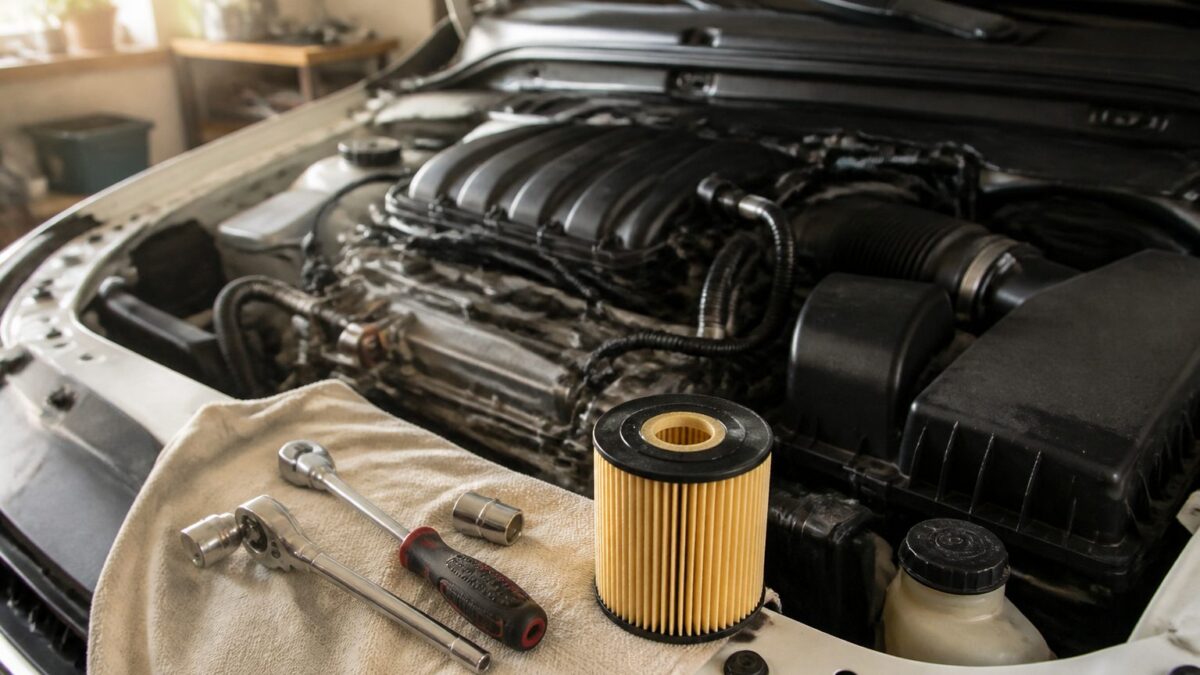
Keeping your car running smoothly for years isn’t just about luck. With the right habits and basic maintenance, you can significantly extend your vehicle’s lifespan and reduce expensive repairs. Many of these steps are easy enough for anyone to follow, regardless of driving experience or mechanical skill.
This guide covers nine practical ways to help your car last longer. These tips apply to most cars worldwide, with notes on differences by country and climate. Whether you drive in the US, UK, Europe, India, or Australia, these actions can make a real difference.
Who should use this list?
This list is for car owners who want to avoid premature breakdowns, high repair costs, and the hassle of shopping for a replacement vehicle. It’s especially useful if you:
- Plan to keep your car for several years
- Have an older or out-of-warranty vehicle
- Drive in challenging conditions (hot, cold, dusty, or stop-start traffic)
- Want to maintain your car’s value for resale or trade-in
Some tips require basic tools or a bit of time, but most are simple habits you can start today.
1. Follow the manufacturer’s maintenance schedule
The single best way to extend your car’s life is to stick to the maintenance intervals in your owner’s manual. This means regular oil and filter changes, fluid top-ups, and scheduled checks of parts like belts, brakes, and spark plugs. Skipping or delaying maintenance is a leading cause of breakdowns and expensive repairs. If you’ve lost your manual, most manufacturers publish schedules online. In some countries, like the UK or EU, service stamps in your logbook help maintain resale value.
Action steps:
- Set calendar reminders for upcoming services
- Keep all service records (physical or digital copies)
- Ask your mechanic to check for recalls or advisories
2. Use quality fluids and parts
Using the recommended grade of oil, coolant, brake fluid, and transmission fluid is essential. Cheaper, off-brand products may not offer the same protection, especially in extreme climates. In India and tropical regions, high temperatures demand coolants and lubricants that can withstand heat. In cold climates, use fluids rated for low temperatures. Quality filters and genuine or high-standard aftermarket parts also reduce wear on critical components.
Action steps:
- Check the owner’s manual for correct fluid specs
- Ask for OEM (original equipment manufacturer) or reputable aftermarket parts
- If buying parts yourself, verify compatibility with your car’s make and model
3. Drive gently and avoid harsh acceleration
Fast starts, sudden stops, and aggressive cornering put extra stress on your engine, brakes, and suspension. Over time, this increases wear and leads to costly repairs. Smooth acceleration and braking, along with gentle steering, reduce strain and help your car’s parts last longer. In stop-start traffic (common in big cities worldwide), try to anticipate traffic flow and avoid unnecessary acceleration and braking.
Action steps:
- Let your engine warm up for a minute before driving, especially in cold weather
- Accelerate and brake smoothly
- Avoid riding the clutch or coasting in neutral (manual transmission)
4. Keep tyres properly inflated and aligned
Under-inflated tyres increase rolling resistance, reduce fuel economy, and cause uneven wear on suspension parts. Over-inflated tyres can reduce grip and make your car harder to handle. Poor alignment leads to uneven tyre wear and can affect steering components. Check tyre pressures monthly and before long trips. In the US, UK, and EU, garages often check alignment during annual inspections; in India, ask your local mechanic for an alignment check every 10,000 km (6,200 miles) or if you notice uneven wear.
Action steps:
- Check tyre pressures with a gauge monthly
- Rotate tyres as recommended (often every 10,000 km/6,000 miles)
- Get alignment checked if the steering pulls or after hitting a pothole
5. Wash and protect your car regularly
Dirt, grime, and road salt can cause corrosion, especially in countries with harsh winters or near the sea. Bird droppings, tree sap, and pollution also damage paintwork. Regular washing and waxing protect your car’s bodywork and undercarriage. In India and tropical regions, dust and humidity can accelerate rust. Don’t forget the interior: clean upholstery and vents to prevent mould and odours.
Action steps:
- Wash your car every 2–4 weeks, or more often in winter or dusty areas
- Apply wax or paint sealant every 6 months
- Rinse the undercarriage to remove salt or mud
6. Store your car in a sheltered place
Parking in a garage or under a carport shields your car from sun, rain, snow, and bird droppings. UV rays can fade paint and damage rubber seals, while moisture encourages rust. In hot climates (like Australia or southern India), shaded parking keeps the interior cooler and protects electronics. If you must park outside, use a quality car cover (preferably breathable and water-resistant) to minimise damage.
Action steps:
- Use a garage or covered parking where possible
- Invest in a good car cover if you park outside
- Clear leaves and debris from around your car to prevent blocked drains
7. Don’t ignore warning lights or strange noises
Modern cars have sensors that detect problems early. Ignoring a check-engine light, oil warning, or odd sound can turn a simple fix into a major repair. If a warning light appears, check your manual to see if it’s urgent. In the EU and UK, some warning lights mean your car will fail its annual inspection (MOT or equivalent). In India, older cars may not have advanced warnings, so pay attention to any changes in sound, vibration, or performance.
Action steps:
- Address warning lights promptly—don’t wait for a breakdown
- Listen for unusual noises, especially from the engine, brakes, or suspension
- If unsure, have a mechanic inspect the car
8. Protect your battery and electrical system
Car batteries last 3–5 years on average but can fail sooner in extreme climates. Heat, cold, and frequent short trips all reduce battery life. Clean the terminals and check for corrosion annually. If you don’t drive often, use a trickle charger to maintain the battery. In countries with frequent power cuts or voltage fluctuations (some parts of India), battery health is especially important.
Action steps:
- Turn off lights and electronics when the engine is off
- Check battery terminals for corrosion and clean as needed
- Replace the battery before it fails, especially if it’s over 4 years old
9. Drive your car regularly
Letting your car sit unused can be as harmful as overuse. Fluids settle, seals dry out, and batteries lose charge. If you work from home or travel often, aim to drive at least once a week for 20–30 minutes. This keeps fluids circulating, prevents flat spots on tyres, and maintains battery charge. In cold climates, regular use also prevents moisture build-up and rust.
Action steps:
- Take your car for a short drive at least once a week
- If storing for longer periods, fill the tank and add a fuel stabiliser
- Move the car slightly to prevent tyre flat spots
| Maintenance Task | Recommended Frequency | Indicative Cost (USD) | Notes (US/UK/EU/India) |
|---|---|---|---|
| Oil & filter change | Every 5,000–10,000 miles (8,000–16,000 km) | $40–$120 (£35–£100/€40–€110/₹1,500–₹4,000) | More frequent in India due to dust/heat |
| Tyre rotation & alignment | Every 10,000 miles (16,000 km) | $20–$100 (£15–£80/€20–€90/₹800–₹3,000) | UK/EU: often checked at MOT; India: ask mechanic |
| Brake inspection | Every 12 months | $30–$100 (£25–£80/€30–€90/₹1,000–₹3,500) | Required for annual inspection in UK/EU |
| Battery replacement | Every 3–5 years | $60–$200 (£50–£160/€55–€180/₹2,500–₹7,500) | Shorter life in hot/cold climates |
| Professional car wash & wax | Every 2–6 months | $15–$60 (£12–£50/€15–€55/₹400–₹2,000) | DIY possible; costs vary widely |
| Air/cabin filter replacement | Every 12–24 months | $20–$60 (£15–£50/€18–€55/₹600–₹2,000) | More often in dusty areas (India, Australia) |
Common mistakes to avoid
Many car owners unintentionally shorten the lifespan of their vehicles by making avoidable mistakes. Understanding these pitfalls and how they impact your car can save you significant repair costs and inconvenience in the long run.
- Ignoring minor issues until they become major repairs: Small problems, such as a slight engine noise or a warning light, can quickly escalate. For example, a slow oil leak might cost less than $100 (or equivalent in your currency) to fix if caught early, but ignoring it could lead to engine failure, costing thousands. In countries with strict vehicle inspection laws, like Germany or Japan, unresolved minor faults can also lead to failed inspections and legal trouble.
- Using the wrong fluids or cheap, poor-quality parts: Not all engine oils, coolants, or brake fluids are interchangeable. Using the wrong grade can cause premature wear. For instance, in the UK, using non-OEM (original equipment manufacturer) filters or fluids may void your warranty. In Australia, low-quality parts often perform poorly in extreme heat, leading to breakdowns.
- Skipping scheduled maintenance or delaying oil changes: Regular maintenance intervals are set for a reason. Skipping oil changes, which should typically be done every 5,000–10,000 km (3,000–6,000 miles), can result in sludge build-up and engine damage. In the US and Canada, missing scheduled services can also reduce your car’s resale value.
- Driving aggressively or overloading the car: Rapid acceleration, hard braking, and carrying loads above your vehicle’s rated capacity stress the engine, suspension, and brakes. In countries with mountainous terrain, such as Switzerland or New Zealand, overloading is especially risky and can lead to brake failure on descents.
- Neglecting tyres, battery, or fluid levels: Under-inflated tyres wear out faster and reduce fuel efficiency. Many drivers in hot climates, such as the Middle East, overlook battery maintenance, leading to sudden failures. Regularly check all fluid levels—coolant, brake, transmission, and windshield washer—to avoid unexpected breakdowns.
- Letting the car sit unused for long periods: Leaving a car stationary for weeks or months can lead to flat spots on tyres, drained batteries, and seized brakes. In urban areas with limited parking, such as Singapore or Hong Kong, cars are often left unused—owners should consider battery maintainers and periodic short drives.
- Washing only the exterior and forgetting the undercarriage and interior: Road salt, mud, and debris can accumulate under your car, causing rust—especially in regions with snowy winters like Canada or Northern Europe. Interior neglect can lead to mould or electrical issues, particularly in humid climates.
By avoiding these common mistakes, you can help ensure your car remains reliable, safe, and valuable for years to come.
Quick checklist for a longer-lasting car
Following a simple, consistent routine can significantly extend your car’s lifespan and reduce the likelihood of costly repairs. Here’s a practical checklist to guide owners in any country, with actionable steps and tips for each area:
- Stick to your car’s maintenance schedule: Consult your owner’s manual for recommended service intervals. For example, oil changes are often required every 5,000–10,000 km, while timing belts may need replacement every 60,000–100,000 km. Many European countries require annual inspections—use these as reminders for maintenance.
- Use recommended fluids and quality parts: Always choose fluids (engine oil, coolant, brake fluid) and replacement parts that meet your manufacturer’s specifications. In the US, using non-approved fluids can void warranties. In hot climates like India or the Middle East, high-quality coolants are essential to prevent overheating.
- Drive smoothly and avoid harsh stops/starts: Gentle acceleration and braking reduce wear on the engine, transmission, and brakes. In cities with heavy traffic, such as Tokyo or London, smooth driving can also improve fuel economy and reduce stress on the car.
- Check tyre pressure and alignment regularly: Inspect tyres at least once a month. Under-inflated tyres can reduce fuel efficiency by up to 10% and wear out faster. In countries with variable weather, like Canada or Germany, check pressure more frequently as temperatures change.
- Wash, wax, and protect your car inside and out: Clean the exterior, undercarriage, and interior regularly. Use wax or paint sealant to protect against UV rays and road salt. In coastal regions, washing the undercarriage helps prevent rust from salt air.
- Park in a sheltered place or use a car cover: Whenever possible, park in a garage or under a carport. If that’s not an option, invest in a quality car cover to shield your vehicle from sun, rain, and bird droppings. In areas prone to hail, consider covers with extra padding.
- Respond quickly to warning lights or new noises: Don’t ignore dashboard warnings or unusual sounds. A check engine light could indicate anything from a loose fuel cap to a serious engine issue. Prompt attention can prevent breakdowns and expensive repairs.
- Maintain your battery and electrical system: Inspect battery terminals for corrosion and check voltage annually. In cold climates, like Scandinavia or Russia, batteries may need replacement every 3–5 years. Use a trickle charger if the car will be unused for extended periods.
- Drive at least once a week to keep everything in working order: Short drives help circulate fluids, charge the battery, and prevent seals from drying out. Even in urban areas with good public transport, a weekly drive is beneficial for the car’s health.
By following this checklist, you’ll help your vehicle run reliably, retain its value, and avoid many common problems that can lead to premature aging or breakdowns.
Frequently asked questions
How often should I change my car’s oil?
Change your car’s oil every 5,000 to 10,000 miles (8,000–16,000 km) or as recommended in your owner’s manual. If you drive in dusty or hot conditions (common in India, Australia, or the Middle East), more frequent changes are wise. Always use the oil grade specified by your manufacturer.
Is it worth using premium fuel or additives?
Most cars run perfectly on standard fuel unless the manufacturer specifies premium. Additives are usually unnecessary unless you have an older engine or specific fuel issues. However, using the right fuel and keeping your tank above a quarter full can prolong fuel system life.
How do I know if my battery is failing?
Signs of a failing battery include slow engine cranking, dim headlights, or warning lights on the dashboard. If your battery is more than 3–5 years old, have it tested during routine maintenance, especially before winter or long trips.
Does short-distance driving harm my car?
Frequent short trips can prevent your engine and exhaust from reaching optimal temperature, leading to moisture build-up and faster oil degradation. If you mostly drive short distances, take a longer drive occasionally to let the engine fully warm up.
Can I extend my car’s life without professional help?
Yes, many steps—like checking fluids, maintaining tyre pressure, and washing your car—can be done at home. However, some tasks (like brake checks or alignment) are best left to professionals to ensure safety and proper function.
Note: This article offers general information only. Maintenance schedules, costs, and rules vary by country, region, and provider. Always check your owner’s manual and local regulations. For major repairs or decisions, consult a qualified mechanic or automotive adviser.