8 Things to Check Before Buying a Used Car
Before buying a used car, check its service history, inspect for accident damage, verify ownership, and test drive thoroughly to avoid expensive surprises.
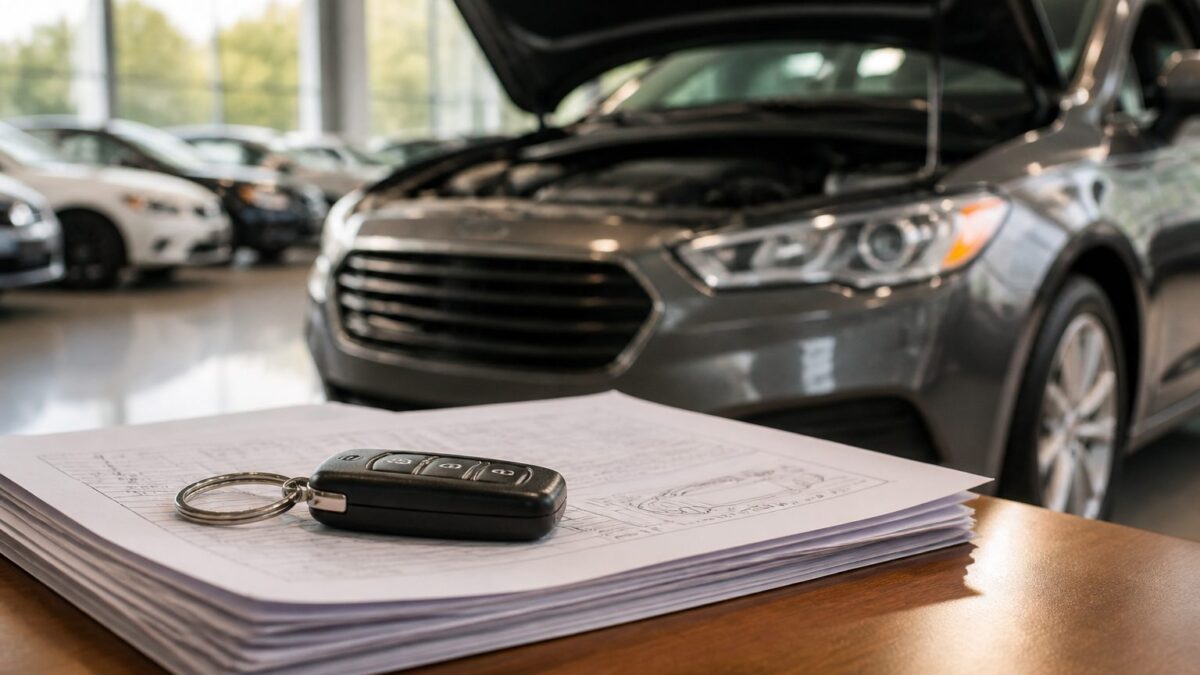
Buying a used car can be a smart way to save money, but it comes with risks. Knowing what to check before you commit can help you avoid costly mistakes, hidden faults, or legal headaches down the line.
This guide covers the eight most important checks to make before buying a used car, whether you’re shopping from a dealer or a private seller, in the US, UK, Europe, India, or elsewhere.
Who should use this checklist?
This checklist is for anyone considering a used car, from first-time buyers to experienced drivers. It’s especially helpful if you’re buying privately, where there’s less legal protection. But even at dealers, these checks can reveal issues not spotted in a standard inspection or warranty.
1. Service history and maintenance records
Ask the seller for the car’s full service history. A complete, up-to-date logbook (service book) or digital records show the car has been regularly maintained. Look for receipts and stamps that match the manufacturer’s recommended intervals for oil changes, timing belt, brakes, and other key parts.
Gaps in the records, missing documents, or handwritten entries can be a red flag. In the UK and Europe, a stamped service book is standard; in the US and India, paper receipts or digital records are common. If the car’s history is incomplete, you may face unexpected repairs or have trouble reselling.
2. Accident damage and repair quality
Carefully inspect the car’s bodywork for signs of accident repair, such as mismatched paint, uneven gaps between panels, or overspray on trim and seals. Open and close all doors, the hood, and trunk to check for stiffness or misalignment.
Ask the seller directly if the car has been in any accidents. In some countries, like the US and UK, you can buy a vehicle history report (Carfax, AutoCheck, HPI Check) that lists past accidents, insurance write-offs, and more. In India and many EU countries, these reports may be less detailed, so a physical inspection is even more important.
3. Ownership and registration documents
Make sure the seller is the legal owner. Ask to see the vehicle registration certificate (V5C in the UK, RC in India, title in the US). Confirm that the name and address match the seller’s ID, and that the vehicle identification number (VIN) on the document matches the VIN on the car (usually found on the dashboard, driver’s door, or engine bay).
Check for any outstanding finance (especially in the UK, US, and Australia), as a car with unpaid loans can be repossessed. In some countries, you can search online government databases to confirm registration and finance status.
4. Mileage and odometer tampering
Compare the odometer reading to the car’s age and service history. Excessively low mileage for an old car could mean the odometer has been rolled back. Look for wear on the pedals, steering wheel, and seats – heavy wear on a low-mileage car is suspicious.
In the UK and some EU countries, you can check past MOT or technical inspection records online for recorded mileages. In the US, Carfax and similar services track mileage at each title transfer. In India, this is harder to verify, so pay extra attention to physical signs of wear.
5. Mechanical condition and test drive
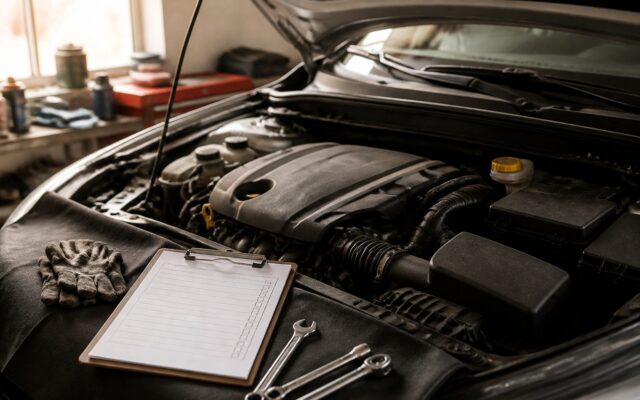
Start the engine from cold, listen for unusual noises, and check for excessive smoke from the exhaust. Test all electronics: lights, air conditioning, infotainment, windows, and central locking. Inspect the engine bay for leaks, worn belts, or signs of poor maintenance.
Take the car for a test drive on different roads. Pay attention to braking, steering response, gear changes, and suspension noise. If you’re not confident in your own inspection, arrange for an independent mechanic to check the car before you buy.
6. Tires, brakes, and suspension
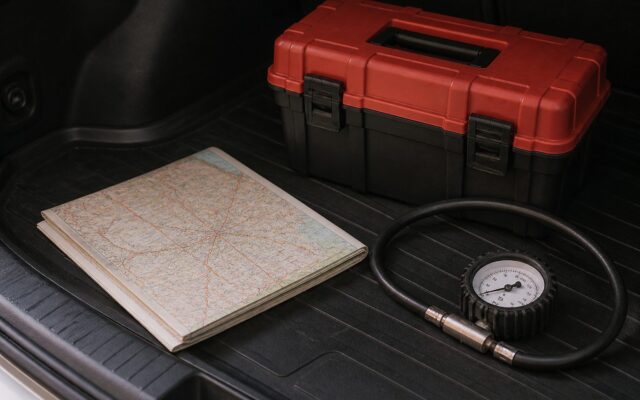
Check all tires for even tread wear and adequate depth (at least 1.6mm in the UK/EU, 2/32 inch in the US, and 1.6mm in India). Uneven wear can indicate alignment or suspension issues. Inspect the brake discs and pads for wear, and make sure the car doesn’t pull to one side when braking.
Bounce each corner of the car to check the suspension. Excessive bouncing, clunks, or knocking sounds can mean costly repairs. Replacing tires, brakes, or suspension parts can add significant expense to your purchase.
7. Outstanding recalls and emissions compliance
Ask if the car has any outstanding safety recalls. In the US, UK, EU, and Australia, you can check this online using the VIN on official government or manufacturer websites. Recalls should be repaired free of charge, but unresolved recalls can affect safety and resale value.
For diesel cars, check that the vehicle meets local emissions standards, especially in cities with low-emission zones (London, Paris, Delhi, etc.). Non-compliance can mean fines or restrictions on where you can drive.
8. Price evaluation and negotiation
Research the average price for the car’s make, model, year, and mileage in your country. Use respected sources: Kelley Blue Book or Edmunds (US), Auto Trader or Parkers (UK), Quikr or CarWale (India), or local classified sites. Be wary of prices that seem too low – they may hide problems.
Factor in the cost of immediate repairs, registration, taxes, and insurance. Don’t be afraid to negotiate, especially if you find faults or missing paperwork. Walk away if the seller pressures you or won’t answer your questions.
| Check | What to Look For | Potential Cost if Ignored | How to Verify |
|---|---|---|---|
| Service history | Complete, regular maintenance logs | $500–$2,000 (major repairs) | Check receipts, stamps, digital records |
| Accident damage | Mismatched paint, gaps, poor repairs | $1,000+ (structural repairs, resale loss) | Physical inspection, vehicle history report |
| Ownership | Matching name, address, VIN | Loss of vehicle, legal trouble | Check registration/title, seller’s ID |
| Mileage | Consistent with age, no tampering | $500–$2,000 (hidden wear, resale loss) | Compare records, inspect wear |
| Mechanical condition | Engine, gearbox, electronics work well | $500–$3,000 (major repairs) | Test drive, mechanic’s inspection |
| Tires/brakes/suspension | Even wear, no noises, good tread | $200–$1,000 (replacement parts) | Physical check, test drive |
| Recalls/emissions | No outstanding recalls, meets standards | Safety risk, fines, restricted use | VIN check online, emissions certificate |
| Price evaluation | Fair market value, no hidden costs | $500–$2,000 (overpaying, repairs) | Research prices, estimate repair costs |
Common mistakes to avoid
When buying a used car, many buyers fall into avoidable traps that can lead to unexpected costs or even legal trouble. By being aware of these common mistakes, you can make a more informed and safer purchase, regardless of your country.
- Rushing through the inspection or skipping the test drive: One of the most frequent errors is failing to thoroughly inspect the vehicle or neglecting to take it for a proper test drive. In the UK, for example, buyers sometimes purchase cars at auction or from private sellers without driving them, only to discover mechanical problems later. Always allocate at least 30–60 minutes for a comprehensive inspection and drive the car in different conditions—city streets, highways, and if possible, up and down hills.
- Trusting verbal promises without written proof: Sellers might verbally assure you about recent servicing, warranties, or clear ownership, but without documentation these claims are meaningless. In Australia and Canada, for instance, consumer protection agencies regularly warn buyers to insist on written records—such as stamped service books, receipts, and official warranty documents. Never rely solely on what the seller says, no matter how trustworthy they seem.
- Ignoring warning signs: Red flags include missing paperwork, inconsistent mileage, or a seller who pressures you to make a quick decision. In Germany, odometer fraud is a known issue; always check that the mileage matches service records and inspection certificates. If documents are missing or the seller is evasive, consider walking away.
- Not checking for outstanding finance or legal issues: In many countries, including the USA and India, cars can be sold with outstanding loans or even as stolen property. Failing to check this can result in the vehicle being repossessed or impounded. Use government or third-party databases to confirm there are no liens or theft reports associated with the car’s VIN or registration number.
- Forgetting to budget for immediate repairs, registration, taxes, and insurance: The purchase price is just the beginning. In France, for example, registration (carte grise) and taxes can add hundreds of euros. Similarly, insurance premiums for used cars can vary widely based on age and model. Always get quotes and factor in possible repair costs, especially for older vehicles that may need new tires, brakes, or timing belts soon after purchase.
By taking these steps and remaining cautious, you can avoid the most common pitfalls and make your used car purchase a more secure and satisfactory experience.
Quick checklist for your used car inspection
Before finalizing your used car purchase, it’s essential to conduct a structured and thorough inspection. This checklist provides practical steps that apply in most countries, helping you avoid costly surprises and ensuring the car meets your expectations.
- Review the full service history and receipts: Ask for a detailed log of all maintenance and repairs, including receipts for major work. In Japan, cars often come with a “shaken” (vehicle inspection) record, while in the US and UK, a stamped service book is common. Confirm that routine services—like oil changes, brake checks, and timing belt replacements—were performed at recommended intervals.
- Inspect for accident damage and check the VIN with a vehicle history report: Look for mismatched paint, uneven panel gaps, or signs of welding, which may indicate past accidents. Use services like Carfax (North America), HPI Check (UK), or government databases (Australia, New Zealand) to run the VIN and uncover any hidden history, such as major accidents or salvage titles.
- Confirm the seller’s ownership and check for outstanding finance: Request to see the official registration document and photo ID. In Germany, the “Fahrzeugbrief” (vehicle registration certificate) must match the seller’s name. Use official resources to check for outstanding loans or liens—this is crucial in countries like the US and Canada, where cars can be repossessed if finance is unpaid.
- Verify the mileage and look for signs of odometer tampering: Compare the displayed mileage with service records and inspection certificates. In some countries, digital odometers are still vulnerable to rollback. Watch for excessive wear on pedals, steering wheels, and seats, which may not match low mileage claims.
- Test drive the car and check all major systems and electronics: Drive the car for at least 15–20 minutes, listening for unusual noises and testing brakes, steering, acceleration, and transmission. Check that all electronics—windows, lights, air conditioning, infotainment—work properly. In some regions, such as Singapore, road conditions and climate can stress certain systems more than others.
- Inspect tires, brakes, and suspension for wear or damage: Look for uneven tire wear, cracks, or bald spots. Check brake discs and pads for thickness, and push down on each corner of the car to test shock absorbers. In snowy climates like Sweden or Canada, rust on suspension components is a common issue.
- Check for outstanding recalls and emissions compliance: Use manufacturer websites or local government resources to see if the car is subject to recall. In the EU and California, strict emissions standards mean you should also check for valid emissions test certificates, as failing these can prevent registration.
- Research fair market value and negotiate based on findings: Use online tools like Kelley Blue Book (US), Parkers (UK), or RedBook (Australia) to estimate the car’s value. Adjust your offer for any faults you find, and don’t hesitate to walk away if the price doesn’t reflect the car’s true condition.
By following this checklist, you’ll be better positioned to make a confident and well-informed decision, minimizing the risk of unexpected problems after your purchase.
Frequently asked questions
How can I check if a used car has been in an accident?
Look for mismatched paint, uneven gaps, or new parts on the bodywork. In many countries, you can buy a vehicle history report using the VIN, which lists reported accidents. Always ask the seller directly and have a mechanic inspect the car for hidden damage.
Is it safe to buy a used car without a service history?
It’s riskier, as missing service records mean you can’t verify regular maintenance. The car may have hidden issues or be worth less when you sell. If you proceed, budget extra for an immediate full service and inspection by a trusted mechanic.
What documents do I need to check when buying a used car?
You need the vehicle registration/title, service history, proof of insurance (if required), and the seller’s photo ID. In some countries, check for a roadworthiness certificate or emissions test. Verify that all info matches the car and owner.
How do I know if the mileage is genuine?
Compare the odometer reading with the service history, MOT or inspection records, and physical wear on the car. Inconsistencies or heavy wear with low mileage are warning signs. In some countries, online databases show past mileage records.
Should I buy from a dealer or a private seller?
Dealers usually offer more legal protection, warranties, and checked cars, but prices may be higher. Private sellers can offer better deals, but you need to be more thorough with checks. Always do your due diligence, whichever route you choose.
Note: This article provides general guidance. Prices, rules, and required documents vary by country and provider. Always check current local terms and, for major purchases, consider consulting a qualified adviser or mechanic.