How to Build an Emergency Fund from Scratch
Building an emergency fund from scratch means setting aside money for unexpected expenses, even if you’re starting with nothing. Here’s how to create a practical, achievable plan.
An emergency fund is money set aside to cover unexpected expenses, such as medical bills, urgent repairs, or a sudden loss of income. Starting from zero can feel overwhelming, but with a clear plan and small steps, anyone can build a financial safety net.
This guide shows you how to create an emergency fund from scratch, with practical actions, realistic targets, and tips for staying motivated. No matter your income or country, these steps can help you gain confidence and peace of mind.
What is an emergency fund and why it matters
An emergency fund is a dedicated pool of savings set aside exclusively for unexpected financial shocks that fall outside your usual budget. These can include sudden job loss, urgent medical expenses, emergency travel (such as for a family crisis), or major repairs to your home or vehicle. The key is that these are situations you can’t easily predict or plan for in your regular monthly spending.
Without an emergency fund, people around the world often have to rely on high-interest credit cards (with rates commonly above 15% in the US or UK), payday loans, or borrowing from friends and family—options that can lead to debt and strain relationships. In countries without robust social safety nets, such as the US or some parts of Asia and Africa, even a small emergency can derail your finances for months or years.
Financial experts in many countries recommend saving enough to cover at least three to six months of essential living expenses, such as rent, food, utilities, and transportation. This gives you time to recover from bigger setbacks, like unemployment or illness. However, research and real-life experience show that even a modest emergency fund—$500 (about £400, €470, or ₹41,000)—can make a significant difference by covering smaller, more common crises. The most important step is simply to start, no matter how small the initial amount. Over time, your fund acts as a buffer, reducing stress and helping you maintain control during difficult periods, regardless of where you live or your income level.
How much should you aim for?
Determining the ideal size of your emergency fund is a personal decision, influenced by your unique circumstances. Start by evaluating your job stability—if you have a permanent contract in Germany or France, you may feel more secure than someone with freelance or gig work in the US or India. Consider your health needs, whether you have dependents, and how much your essential monthly expenses total in your country or city. These factors all affect how much you should aim to save.
- First goal: Aim for $500–$1,000 (about £400–£800, €470–€950, or ₹41,000–₹82,000). This amount can cover common emergencies such as a car repair in the US, a broken appliance in the UK, or a minor medical bill in India.
- Next goal: Build up to one month of essential expenses. Calculate your essential costs—rent or mortgage, food, utilities, and transport. For example, in Australia, this might be AU$2,000; in Canada, CA$1,800; in South Africa, R8,000. Adjust for your local cost of living.
- Long-term goal: Save three to six months of essential expenses. This is a common recommendation across many countries and gives you a buffer for bigger disruptions, such as job loss. For example, if your monthly essentials are €1,200 in Spain, aim for €3,600–€7,200. In the US, if you need $2,500 a month, your target would be $7,500–$15,000.
Begin with a specific, achievable number that fits your situation. If $500 (or the local equivalent) feels out of reach, start with $100. Once you reach your first milestone, set your sights on the next. Avoid comparing your progress to others—focus on what’s realistic for you. Common pitfalls include setting goals that are too ambitious at first or neglecting to adjust your target as your expenses change. Review your numbers at least once a year or after significant life changes.
Step-by-step: Building your emergency fund from zero
-
Open a separate savings account.
Keep your emergency fund separate from your regular spending money. Most banks, credit unions, and online banks offer no-fee savings accounts. In the UK and Europe, look for instant-access savings. In India, a basic savings or recurring deposit account is suitable. Avoid accounts with withdrawal penalties.
-
Work out your target amount.
Calculate your essential monthly expenses: rent/mortgage, utilities, groceries, transport, insurance, minimum loan payments. Multiply by three for a solid target, but start with a smaller, reachable figure if needed.
-
Set a monthly savings target.
Decide how much you can realistically save each month. Even $10 (about £8/€9/₹820) is a good start. If your income is irregular, pick a percentage (e.g., 5% of each payment).
-
Automate your savings.
Set up an automatic transfer from your main account to your emergency fund, ideally just after you’re paid. Most banks let you schedule recurring transfers. This helps you save consistently and removes temptation to spend.
-
Find extra money to boost your fund.
Look for ways to add to your fund faster: sell unused items, save windfalls (bonuses, gifts, tax refunds), or take on small side jobs. Even occasional extra deposits make a difference over time.
-
Track your progress.
Check your balance each month and celebrate small milestones. Some people use a simple chart, app, or even a paper tracker. Marking progress keeps you motivated, especially in the early stages.
-
Only use the fund for true emergencies.
Resist the urge to dip into your emergency fund for non-urgent needs, such as holidays, shopping, or planned expenses. If you do need to use it, start rebuilding as soon as possible.
Ways to save when money is tight
If you’re living paycheck to paycheck, saving even small amounts can feel impossible. Here are some realistic strategies to get started:
- Micro-saving: Put aside spare change or round up purchases. Some bank apps do this automatically.
- Cut one small expense: For example, make coffee at home or skip one takeaway meal per week.
- Save windfalls: Any cash gifts, rebates, or refunds go directly into your emergency fund.
- Use cashback/rewards: Cash out credit card or loyalty points and add to your fund.
- Sell unused items: List clothes, gadgets, or furniture on local marketplaces for quick cash.
- Set a no-spend challenge: Try a week or month with no non-essential spending, and save what you would have spent.
Where to keep your emergency fund
Choosing the right place to store your emergency fund is as important as building it. The main priority is accessibility: you should be able to withdraw the money quickly in a genuine emergency, but not so easily that you’re tempted to spend it on non-urgent needs. Here are some practical options used around the world:
- Instant-access savings account: These accounts are widely available in countries like the US, UK, Australia, and most of Europe. They allow you to withdraw funds at any time, often pay some interest (typically 0.5–3% depending on the country and current rates), and are usually insured by government schemes. Look for accounts with no monthly fees and no withdrawal penalties.
- Money market account: Common in North America and some Asian countries, these accounts may offer higher interest rates than basic savings accounts. However, they sometimes require a minimum balance (e.g., $1,000 in the US) and may limit the number of withdrawals per month. Check the terms to avoid accidental fees or restrictions.
- Recurring deposit (India): In India and some other Asian countries, recurring deposits allow you to save a fixed amount each month for a set period. They offer competitive interest rates, but early withdrawals may incur penalties or loss of interest. Use these only if you’re confident you won’t need immediate access, or keep a portion in a more flexible account.
Avoid tying up your emergency fund in long-term investments like fixed deposits (term deposits), stocks, or mutual funds. These can be hard to access quickly and may lose value at the wrong time. Also, steer clear of accounts with high withdrawal penalties or minimum balance requirements that you can’t comfortably meet. The goal is to strike a balance between earning a small amount of interest and keeping your money available for genuine emergencies.
Table: Emergency fund savings tracker and checklist
| Step | Action | Target amount | Suggested account type | Done? |
|---|---|---|---|---|
| 1 | Open a separate savings account | – | Instant-access savings / basic savings | [ ] |
| 2 | Set first savings goal | $500 (£400/€470/₹41,000) | – | [ ] |
| 3 | Automate monthly transfer | $25–$100 (£20–£80/€24–€95/₹2,000–₹8,200) | – | [ ] |
| 4 | Find extra savings (sell items, side jobs) | Any amount | – | [ ] |
| 5 | Review and adjust goal | 1–3 months expenses | – | [ ] |
| 6 | Use only for emergencies | – | – | [ ] |
How to stay motivated and keep saving
Maintaining the discipline to build and grow your emergency fund can be challenging, especially if your income is irregular or your expenses are high. However, there are practical strategies that can help you stay on track over the months and years it may take to reach your goal:
- Break big goals into smaller steps: Instead of focusing on a daunting target like $5,000 or €5,000, set incremental milestones—such as every $100, £100, €100, or ₹10,000 you save. Celebrate reaching each new level to keep your motivation high.
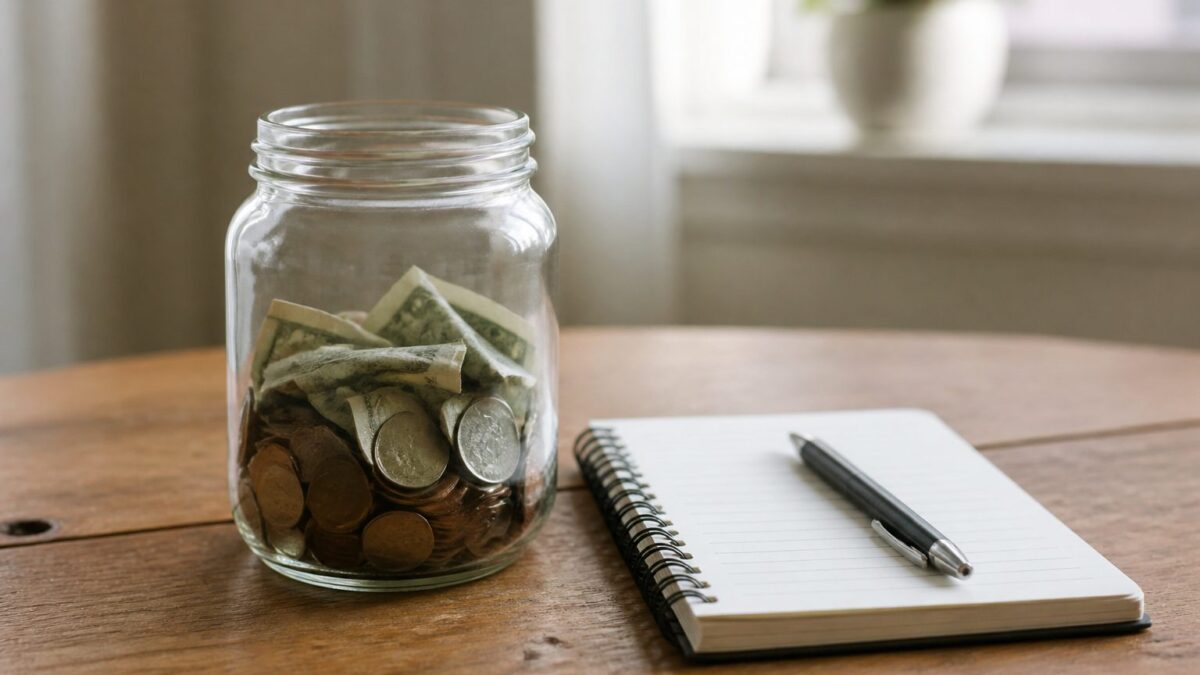
- Visual reminders: Use charts, spreadsheets, or mobile apps to track your progress visually. Some people in the US and UK use savings jars or envelopes; others in Germany or France might use online banking tools with progress bars. Seeing your fund grow can make your efforts feel more tangible.
- Share your goal: Telling a trusted friend or family member about your savings plan can add a layer of accountability. In some cultures, such as in parts of Africa or Asia, savings groups or informal clubs provide mutual encouragement and support.
- Reward yourself: When you hit a savings milestone, treat yourself to a small, affordable reward (but not from your emergency fund). For example, enjoy a favorite snack, a movie night, or a walk in the park. This positive reinforcement helps maintain momentum.
- Review your progress: Set a recurring reminder—monthly or quarterly—to check your balance and review your savings rate. Adjust your contributions if your income or expenses change. In countries with inflation or currency fluctuations, you may need to increase your target over time.
Common pitfalls include losing motivation after an unexpected expense, feeling discouraged by slow progress, or forgetting to update your savings plan as your circumstances change. By using these strategies and staying flexible, you can keep your emergency fund growing, even when progress feels slow.
What to do if you need to use your emergency fund
If you face a true emergency and need to dip into your fund, use these steps:
- Withdraw only what’s needed. Cover the urgent expense, but avoid draining the entire fund if possible.
- Track the amount used. Make a note of what you withdrew and why. This helps you identify patterns and plan for future needs.
- Pause non-essential spending. Temporarily cut back elsewhere to rebuild your fund faster.
- Restart your savings plan. As soon as you can, resume automatic transfers, even if it’s a small amount.
Remember, using your emergency fund is not a failure—it’s what the money is for. The key is to start rebuilding as soon as possible.
Bottom line
Building an emergency fund from scratch is a foundational step toward financial resilience, no matter where you live. The process can feel overwhelming, but breaking it down into manageable actions makes it achievable for most people, even on a tight budget. Begin by setting a modest, realistic target—perhaps the equivalent of $500 or one month’s rent, depending on your immediate needs and local currency. Open a separate savings account specifically for emergencies; this separation helps reduce the temptation to dip into your fund for everyday expenses. Many banks worldwide offer fee-free basic savings accounts, and some digital banks make it easy to open and manage such accounts online.
Consistency is more important than the amount you save at first. Whether you can set aside $10, £10, €10, or ₹1,000 per week or month, the key is to save regularly. Automating transfers from your current or checking account to your emergency fund can help you stick to your plan without having to think about it. Over time, small, regular contributions add up—if you save just $20 a week, you’ll have over $1,000 in a year.
Remember, emergencies are unpredictable and can happen to anyone: job loss in the US, medical bills in India, or unexpected travel costs in the UK or Europe. Building your fund gives you the flexibility to handle these situations without resorting to high-interest loans or credit cards. The peace of mind and financial flexibility you gain are worth the effort. No matter how small you start, the important thing is to begin today and keep going, adjusting your goal as your circumstances change.
Frequently asked questions
How much should I save if my income is irregular?
If your income varies, try saving a percentage (such as 5–10%) of each payment, rather than a fixed amount. During higher-earning months, save more if possible. Focus on steady progress, even if monthly amounts differ.
Should I pay off debt or build an emergency fund first?
It’s usually best to save a small emergency fund (e.g., $500/£400/₹41,000) before aggressively paying off debt. This prevents new debt if an emergency arises. After that, balance between debt repayment and building your fund.
Can I keep my emergency fund in cash at home?
It’s safer to keep your emergency fund in a bank or credit union account. Cash at home carries risks of loss, theft, or fire, and doesn’t earn interest. Only keep a small amount of cash for immediate needs.
What counts as a real emergency?
True emergencies are unexpected, urgent, and necessary: job loss, medical bills, urgent repairs, or essential travel. Planned expenses, holidays, or routine bills are not emergencies and should be budgeted separately.
How long does it take to build an emergency fund?
This depends on your income, expenses, and savings rate. Many people reach their initial target ($500–$1,000) in 6–12 months. Building a 3–6 month fund may take several years. The key is to start and keep going.
Note: This guide is general information. Prices, rules, and account options vary by country and provider. Check current terms before opening any account. For personalised financial advice, consider consulting a qualified adviser.