How to Choose Travel Insurance for Adventure Activities
Choosing travel insurance for adventure activities means checking what’s covered, understanding exclusions, and comparing policies across countries.
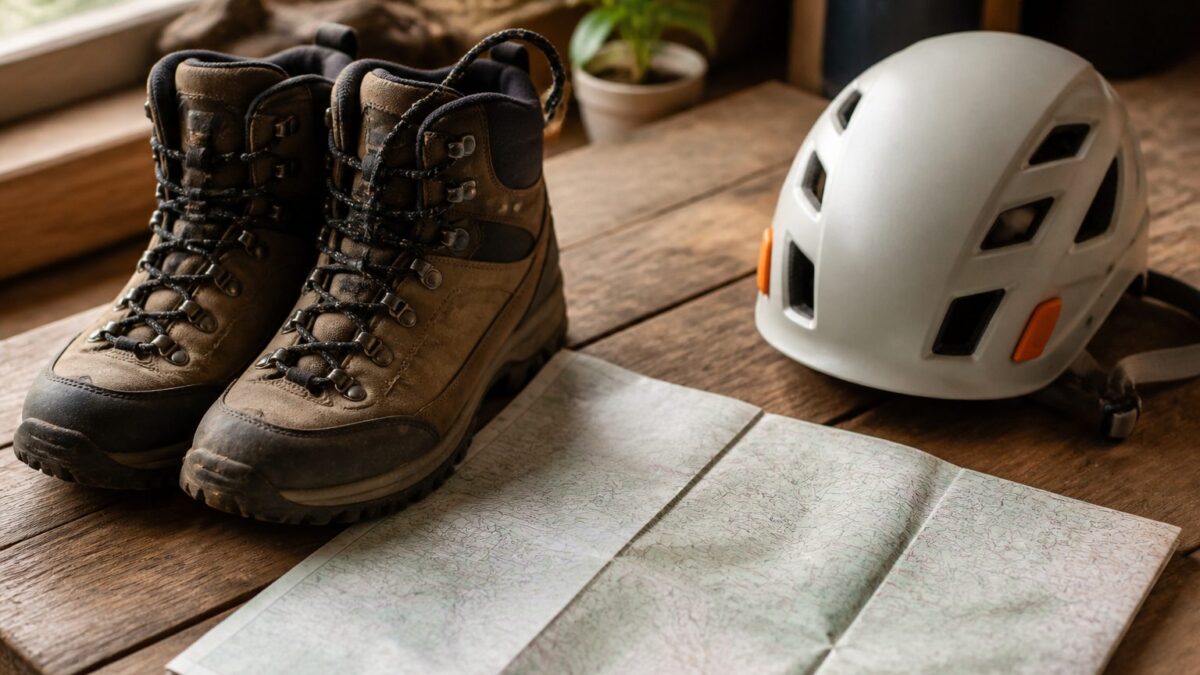
Travel insurance for adventure activities is rarely included in standard policies. If you plan to ski, hike, scuba dive, or take part in similar activities, you’ll need to check for specific coverage. This guide explains how to choose the right policy, compare costs, and avoid common pitfalls.
Adventure insurance varies by country and provider. Here’s what to look for, which questions to ask, and how to ensure you’re protected if something goes wrong during your trip.
What counts as an adventure activity?
Adventure activities include sports and experiences that carry higher risks than ordinary travel, such as skiing, snowboarding, mountain biking, scuba diving, white-water rafting, rock climbing, bungee jumping, and ziplining. Each insurer has its own list of what it considers ‘adventure’ or ‘hazardous’ activities. Some policies cover lower-risk activities like hiking up to a certain altitude, while others require extra coverage for anything more strenuous.
Check the definitions in your policy. Common categories include:
- Winter sports (skiing, snowboarding, ice climbing)
- Water sports (scuba diving, surfing, kayaking)
- Mountain sports (trekking, mountaineering, mountain biking)
- Aerial activities (paragliding, hot air ballooning, skydiving)
- Motor sports (quad biking, motorbiking, snowmobiling)
Always check the policy wording. What’s included under ‘adventure’ in the US or UK may be excluded in India or Australia, and vice versa.
How to assess your activity risk
Before shopping for insurance, list all the activities you plan to do. Include details like:
- Where and when you’ll do them (country, region, season)
- Whether you’ll use a certified guide or operator
- The level of difficulty (beginner, intermediate, expert)
- Any equipment you’ll bring or rent
Insurers may ask about these factors to determine risk. For example, hiking up to 3,000 meters may be covered as standard, but trekking above 4,000 meters might require a premium policy. Scuba diving may be covered up to a certain depth, but not for cave or wreck diving without extra coverage.
Key features to look for in adventure travel insurance
- Activity coverage: Confirm each activity is named in the policy. If not, ask about add-ons or a custom policy.
- Medical coverage: Look for high limits on emergency medical expenses and evacuation. In the US and Canada, $100,000 or more is standard; in Europe or India, limits may be lower.
- Emergency evacuation: Check for coverage of helicopter or air ambulance evacuation, especially for remote areas.
- Personal liability: If you injure someone or damage property during an activity, liability cover is essential.
- Equipment cover: Insure expensive gear against loss, theft, or damage. Some policies only cover hired equipment.
- Trip interruption/cancellation: If you can’t participate due to illness or weather, see if you’re reimbursed for prepaid costs.
- Exclusions: Read the fine print for exclusions (e.g., no cover for activities under the influence of alcohol, or without a licensed instructor).
Comparing policies across countries
Travel insurance is regulated differently worldwide. Here are some key differences:
- US/Canada: Policies often have higher medical limits but may exclude many adventure sports unless you pay extra.
- UK/EU: Some annual multi-trip policies include basic adventure activities, but high-risk sports need add-ons.
- Australia: Many insurers offer ‘adventure packs’ for common activities. Medical evacuation is a focus due to remote travel.
- India/South Asia: Fewer policies cover adventure sports as standard. International coverage may be limited or require specialist brokers.
Always compare the small print, especially if you’re buying from a provider in a different country than your citizenship or residence.
What isn’t covered: typical exclusions
Even the most comprehensive adventure travel insurance policies have exclusions that can catch travelers off guard. Understanding these will help you avoid denied claims and unexpected costs:
- Activities done without proper safety gear or outside marked areas: For instance, off-piste skiing in France or Switzerland without avalanche gear or outside official ski areas is almost always excluded. The same applies to mountain biking on unmarked trails in Canada or the US.
- Professional competitions or record attempts: Participating in a marathon, triathlon, or any event where you’re competing for prizes or records (such as attempting a new climbing record in the Himalayas) typically voids standard cover. Some insurers may offer special policies for professional athletes, but these are rare and expensive.
- Injuries from drugs, alcohol, or reckless behaviour: Claims related to incidents where you were under the influence or acting recklessly—such as cliff jumping under the influence in Thailand—are universally excluded.
- Pre-existing medical conditions (unless declared and accepted): Chronic illnesses like diabetes or asthma must be disclosed. In the UK and Australia, many insurers will review and sometimes cover declared conditions for an extra premium, but undisclosed ones are never covered.
- Unlicensed or unsupervised activities (e.g., diving without PADI/SSI certification): Diving without proof of certification or paragliding without a licensed instructor is a common reason for denied claims in places like Egypt, Indonesia, and Spain.
Additionally, some policies specifically exclude search and rescue costs, especially in remote mountain or ocean regions. For example, in Nepal, helicopter evacuations can cost US$4,000–$10,000 and are often not included unless you buy extra rescue insurance. The same applies in the Alps or Patagonia, where local rescue services may charge substantial fees. Always check whether you need to add a separate policy or rider for rescue and evacuation, especially if you’re heading into remote or high-risk areas.
How to buy adventure travel insurance
- List your planned activities and destinations.
- Check standard travel insurance policies to see if any activities are included.
- Ask insurers for a full list of covered and excluded activities.
- Request quotes for add-ons if needed (e.g., ‘winter sports’ or ‘adventure sports’ packages).
- Compare benefit limits, especially medical and evacuation cover.
- Read the policy documents in full before buying.
- Declare any pre-existing medical conditions truthfully.
- Keep copies of your policy and emergency contact numbers with you during the trip.
Consider buying insurance as soon as you book your trip to get cancellation cover. In some countries (like the US or UK), you can buy after booking, but coverage for pre-trip cancellation only starts from the policy start date.
Typical costs for adventure travel insurance
Premiums vary based on your age, destination, length of trip, and activities covered. Below is a comparison table of indicative costs for a one-week adventure trip for a 30-year-old traveler, by country:
| Country of residence | Basic travel insurance (USD) | With adventure sports add-on (USD) | Max medical cover (USD) | Typical exclusions |
|---|---|---|---|---|
| US | $40–$80 | $80–$150 | $100,000–$500,000 | Extreme sports, pro competitions |
| UK | $25–$55 (£20–£44) | $45–$90 (£36–£72) | $60,000–$150,000 (£48,000–£120,000) | Unlicensed, pro sports |
| Australia | $30–$65 (A$45–A$98) | $60–$120 (A$90–A$180) | $75,000–$200,000 (A$112,000–A$300,000) | Some water/motor sports |
| India | $15–$35 (₹1,250–₹2,900) | $30–$70 (₹2,500–₹5,800) | $25,000–$100,000 (₹2L–₹8L) | High-altitude, air sports |
| EU | $20–$50 (€18–€45) | $40–$90 (€36–€81) | $50,000–$150,000 (€45,000–€135,000) | Unlicensed, pro sports |
These are rough guides. Prices can be higher for older travelers, longer trips, remote destinations, or high-risk activities (e.g., mountaineering, off-piste skiing).
How to claim on your adventure travel insurance
Making a successful claim on your adventure travel insurance requires prompt action, careful documentation, and attention to your insurer’s procedures. Here’s how to approach the process, with practical tips and examples:
- Contact your insurer’s emergency helpline as soon as possible. Most insurers provide a 24/7 international number. In the EU or Australia, some insurers also offer local-language support. Delaying this call can result in denied claims, especially for medical emergencies or evacuations.
- Get medical attention and keep all records. Obtain detailed medical reports, hospital admission forms, receipts, and prescriptions. In countries like Japan or Switzerland, hospitals may require upfront payment, so keep all invoices for reimbursement. For minor injuries, a doctor’s note may suffice, but serious accidents require full documentation.
- Notify local authorities if required. For theft or accidents, file a police report. In South Africa or Brazil, this is often a policy requirement. For mountain or water accidents, a report from the rescue team or guide may also be needed.
- Gather evidence of the activity. Save booking confirmations from licensed operators, photos showing you used proper equipment, and receipts for equipment hire. For example, if your mountain bike is stolen in New Zealand, proof of hire and a police report will be essential.
- Submit your claim promptly with all supporting documents. Most insurers set deadlines (often 30–60 days from the incident). Use the insurer’s online portal or app if available, and always keep backup copies of all documents, either digitally or in print.
Delays, incomplete paperwork, or missing evidence are the most common reasons claims are rejected. Always follow your insurer’s instructions closely and ask for clarification if you’re unsure about any step. Being organized and proactive will help ensure your claim is processed smoothly and efficiently.
Common mistakes to avoid
When arranging adventure travel insurance, travelers frequently fall into traps that can lead to denied claims or unexpected expenses. Here are some key mistakes to avoid, with practical examples and advice:
- Assuming standard travel insurance covers adventure sports.
Many basic policies exclude popular activities like zip-lining, canyoning, or snowboarding. For example, a standard US policy may cover hiking but not rock climbing or scuba diving unless you purchase an adventure sports add-on. - Not listing all planned activities when applying.
If you plan to try surfing in Bali, paragliding in Switzerland, and kayaking in Canada, each must be declared. Omitting even one can void your cover for that activity. Insurers in New Zealand, for instance, are strict about full disclosure due to the country’s popularity for extreme sports. - Ignoring altitude or depth limits for hiking, trekking, or diving.
Policies often specify maximums (e.g., 4,000 meters for trekking in Peru, 18 meters for diving in Thailand). Exceeding these—even by a small margin—can invalidate your claim. - Failing to use licensed guides or operators where required.
Some policies in Switzerland, Nepal, or Japan require proof of a certified guide for activities like glacier walking or backcountry skiing. If you go with an unlicensed operator, you may lose all coverage. - Overlooking pre-existing medical conditions.
Non-disclosure is a leading reason for claim rejection worldwide. Even minor conditions (like controlled hypertension) must be declared in the UK, Australia, and most EU countries. Some insurers may offer coverage at an extra cost if you declare upfront. - Leaving insurance purchase until the last minute.
Buying insurance after booking flights or activities can mean missing out on cancellation cover. In countries like the US or Canada, policies may only cover trip cancellations if insurance is bought within a set window after booking (often 14–21 days).
Carefully reading your policy and clarifying uncertainties with your insurer before departure will help you avoid these common pitfalls and ensure you’re fully protected.
Quick checklist before your trip
Before you set out on your adventure trip, it’s crucial to systematically review your insurance arrangements to avoid unpleasant surprises abroad. Here’s a more detailed checklist to help you prepare:
- Are all your planned activities named in your policy?
Policies often group activities into risk categories, and some, like white-water rafting, paragliding, or bungee jumping, may require extra cover or a specific mention. In Australia, for example, bushwalking above certain altitudes is not always included. In the UK, mountain biking might be covered, but downhill racing often isn’t unless added. - Do you know the maximum altitude, depth, or risk level covered?
Many policies specify altitude limits—such as trekking up to 3,000 meters in Nepal, but not to Everest Base Camp (5,364 meters) unless you pay more. For diving, check the maximum depth (often 18–30 meters for recreational divers). Exceeding these limits can void your cover. - Have you declared all pre-existing conditions?
Conditions like asthma or heart issues must be disclosed, even if mild. In countries like Canada or Germany, insurers may require a medical certificate for certain conditions or for travelers over a certain age. - Do you have emergency contact numbers for your insurer?
Save the 24/7 emergency helpline in your phone and write it on a card in your wallet. Some insurers, especially in the EU, offer local language support numbers. - Are you using licensed guides or operators?
Check that your guides are certified (e.g., IFMGA for mountain guides in Europe, PADI/SSI for diving worldwide). Some policies require proof of professional supervision for cover to apply. - Is your equipment (owned or hired) covered for loss or damage?
If you’re bringing your own skis, climbing gear, or camera, check the maximum payout per item (often €250–€1000 in Europe) and whether hired equipment is included. Some policies exclude theft from unattended vehicles or public places. - Do you have copies of your policy accessible offline?
Download the policy PDF to your phone and print a copy. In remote areas of South America or Asia, internet access may be unreliable, and having documents on hand can speed up emergency responses.
Reviewing each point in advance helps ensure you’re not left exposed if something goes wrong during your adventure.
Bottom line
Choosing the right travel insurance for adventure activities requires careful planning and attention to detail. Begin by making a comprehensive list of all the activities you intend to participate in, such as trekking, scuba diving, mountain biking, or skiing, and note the specific locations and conditions (for example, high-altitude trekking in Nepal, or surfing in Australia). Research policies from reputable insurers in your home country and compare them with options available in your destination—some countries like Switzerland or New Zealand even have local insurers specializing in adventure cover.
Examine each policy’s coverage limits, exclusions, and costs. Pay special attention to the fine print regarding altitude, depth, or risk categories, and check whether you need to add specific activities or purchase extra evacuation cover. For example, a policy that costs €80–€200 for a two-week adventure trip in Europe may not include helicopter rescue or cover for equipment loss unless you select those options.
International travel introduces additional complexities, such as language barriers, local insurance requirements, or the need for proof of coverage for certain visas or activities. Always read the policy wording carefully and clarify any doubts with the insurer before you travel. A well-chosen policy can save you thousands in medical bills, emergency evacuation, or lost equipment, and offers the reassurance that you’ll be supported if something goes wrong. Take the time to prepare—your peace of mind and financial security are worth it.
Frequently asked questions
Can I buy adventure sports insurance after I’ve started my trip?
In most cases, you need to buy insurance before your trip starts. Some providers allow late purchase, but pre-existing incidents are never covered. Always check the terms and local regulations.
Does travel insurance cover search and rescue operations?
Not always. Many policies exclude search and rescue costs or limit coverage. If you’re going to remote areas, consider a specialist policy or rescue membership (e.g., Alpine clubs in Europe).
Are there age restrictions for adventure travel insurance?
Yes, many insurers have upper age limits for adventure sports coverage, often 65–70 years. Some offer specialist cover for older travelers at higher premiums.
Is equipment loss or theft always covered?
Not always. Some policies only cover hired equipment or set low limits for personal gear. Check for exclusions (e.g., unattended equipment) and consider extra cover if you’re bringing expensive gear.
Will my policy cover me if I ignore safety advice or rules?
No. If you break local laws, ignore safety instructions, or use unlicensed operators, claims may be denied. Always follow official guidance and your insurer’s requirements.
Note: This article is general information. Prices, rules and coverage vary by country and insurer. Always check current policy terms, and for complex needs or pre-existing conditions, consider consulting a qualified insurance adviser.