5 Classic Board Games Everyone Should Try
Classic board games like Chess, Scrabble, and Monopoly offer fun, strategy, and social connection. Here are five timeless games worth playing at least once.
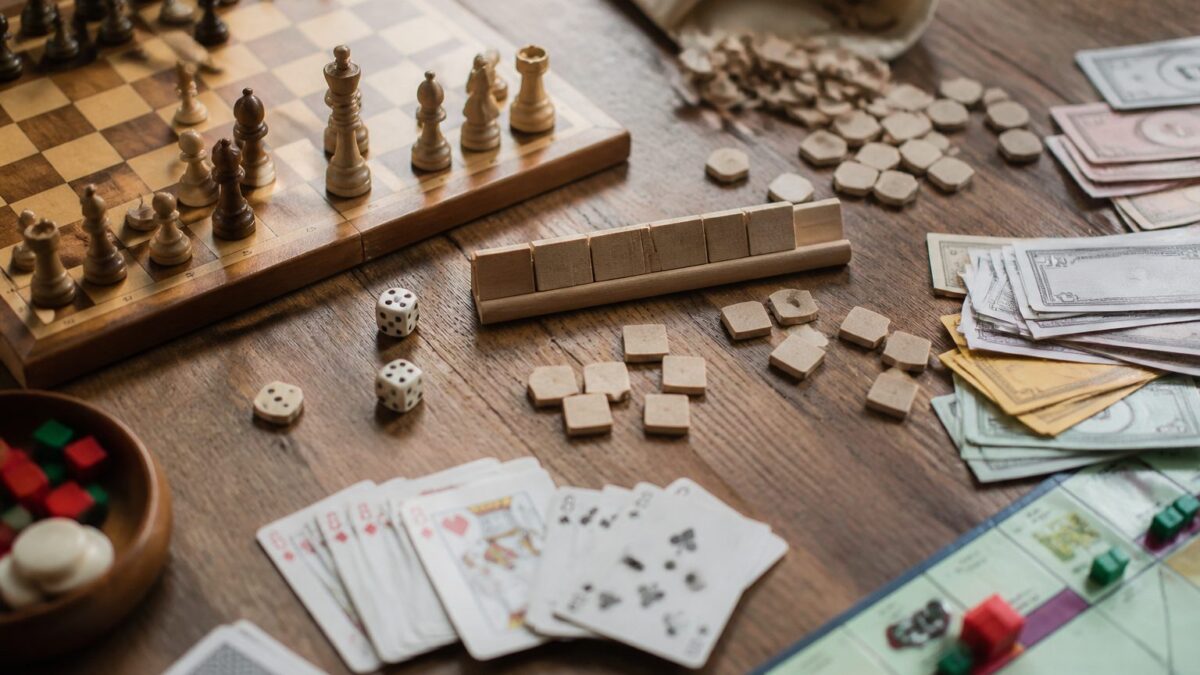
Classic board games remain popular for a reason: they combine strategy, luck, and social interaction in a way that appeals across ages and cultures. If you’re looking for ways to spend quality time with friends or family, these games are an excellent starting point.
This guide introduces five classic board games that have stood the test of time. Each offers something different—whether you enjoy wordplay, tactical thinking, or the thrill of chance, you’ll find a game here to suit your style.
Who should try these games?
This list is for anyone curious about traditional board games, whether you’re new to the hobby, returning after a break, or looking for options to play with mixed-age groups. The games covered here are widely available in most countries and come in many language editions. They’re suitable for home, parties, or even travel.
1. Chess
Chess is a two-player strategy game with roots stretching back over a thousand years. Its enduring appeal comes from its simple rules but deep tactical possibilities. The game is played on an 8×8 board, with each player controlling 16 pieces. The goal is to checkmate your opponent’s king while defending your own.
Learning the basic moves takes just a few minutes, but mastering the game can take a lifetime. Chess is played competitively worldwide, with clubs, online platforms, and local tournaments. In the US and UK, chess sets are found in most homes and schools; in India, the game’s ancestor, Chaturanga, is part of cultural heritage. You can play online for free, join a club, or use a physical set for a more tactile experience.
2. Scrabble
Scrabble is the definitive word game for two to four players. Each player draws letter tiles and uses them to form words on a game board, earning points based on letter values and premium squares. Scrabble rewards a good vocabulary and clever placement, but luck plays a role in which tiles you draw.
Internationally, Scrabble sets are available in many languages, including English, French, Spanish, and Hindi. In the UK and US, Scrabble tournaments attract serious players, but it’s just as enjoyable as a casual family game. The game encourages language learning and is often used in classrooms. Sets range from travel versions to deluxe editions, and digital versions are widely available for mobile devices.
3. Monopoly
Monopoly is a property trading game that simulates real estate investment and negotiation. Players move around the board, buying, selling, and developing properties. The goal is to bankrupt your opponents through strategic deals and careful management of money.
Monopoly’s rules can be learned quickly, but games may last several hours depending on the number of players and house rules. There are countless local editions—such as London, New York, Paris, and Mumbai—tailored to cities and regions. The game is popular for family gatherings, and its blend of luck (dice rolls, Chance cards) and negotiation keeps things unpredictable. Be prepared for friendly rivalry, as deals and trades often spark lively debate.
4. Clue (Cluedo)
Clue (called Cluedo in the UK, EU, and India) is a murder mystery game for three to six players. Each player takes on a character and must deduce who committed the crime, with what weapon, and in which room. The gameplay involves moving around a mansion, collecting clues, and making logical deductions.
Clue is widely available in English, French, German, and many other languages. Its blend of deduction and social interaction makes it ideal for groups and parties. The game’s mechanics encourage careful note-taking and bluffing. Versions range from classic to themed editions (such as Harry Potter or Sherlock Holmes), but the core gameplay remains the same. If you enjoy puzzles and detective stories, Clue is a must-try.
5. The Game of Life
The Game of Life simulates a person’s journey from early adulthood to retirement, with players making choices about education, career, family, and finances. Players spin a wheel to move along the board, encountering life events and collecting or losing money along the way.
Life is popular in the US, Canada, and Australia, with localised editions available globally. The game is easy to learn and appeals to children and adults alike. It’s less about deep strategy and more about storytelling and luck, making it a fun option for family nights. The choices you make affect your outcome, but chance plays a significant role, so expect surprises.
| Game | Players | Skill Required | Game Length | Estimated Cost | Best For |
|---|---|---|---|---|---|
| Chess | 2 | High (strategy, tactics) | 20–90 min | $10–$60 (GBP 8–50; INR 800–5000) | Strategy lovers, all ages |
| Scrabble | 2–4 | Medium (vocabulary, planning) | 45–90 min | $15–$40 (GBP 12–35; INR 1200–3500) | Word fans, families |
| Monopoly | 2–6 | Low–Medium (negotiation, luck) | 60–180 min | $20–$50 (GBP 16–42; INR 1600–4500) | Families, groups |
| Clue/Cluedo | 3–6 | Medium (deduction, memory) | 45–75 min | $15–$35 (GBP 12–28; INR 1200–3000) | Puzzle solvers, parties |
| The Game of Life | 2–6 | Low (chance, basic choices) | 45–90 min | $20–$45 (GBP 16–36; INR 1600–4000) | Mixed ages, family nights |
Common mistakes to avoid
Even experienced board game enthusiasts can run into common pitfalls that can detract from the experience. Being aware of these mistakes—and knowing how to avoid them—can help your game sessions run smoothly, whether you’re playing with family in Canada, friends in Brazil, or new acquaintances in Singapore.
- Skipping the rules: Every classic board game has unique mechanics and exceptions. Skipping or only skimming the rules can lead to arguments or missed strategies. For example, in Chess, misunderstanding castling or pawn promotion can change the outcome. Before starting, take at least five minutes to read the official instructions or watch a tutorial. If you’re playing in a group with varying languages, consider having the rules available in print or on a device for reference.
- Overcomplicating house rules: While adding house rules can personalize the experience, too many changes may unbalance the game or bewilder new players. For instance, some families add extra Free Parking bonuses in Monopoly, which can make the game drag on much longer than intended. When introducing newcomers, stick to the official rules. If you do use house rules, explain them clearly and keep them simple—ideally, no more than one or two minor changes.
- Playing with the wrong number of players: Many board games are designed for specific player counts. For example, Clue (known as Cluedo in the UK and Australia) is best with 3–6 players; with only two, the mystery element is often lost. Settlers of Catan is designed for 3–4, with expansions for more. Always check the box or publisher’s website for the recommended range. If you have too few or too many players, consider choosing a different game or using official variants.
- Not rotating games: Playing the same game repeatedly can make sessions predictable and may favor experienced players. For example, always playing Scrabble may give a vocabulary advantage to some, or constant Risk sessions can lead to similar strategies. Rotate through your collection to keep things fresh and give everyone a chance to shine. In some cultures, like in France, families keep a “game night box” with several games to pick from each week.
- Ignoring local editions: Board games are often localized for different countries and languages. For instance, Monopoly has city editions worldwide (London, Tokyo, Cape Town), and Trivial Pursuit offers country-specific question sets. Playing with a local edition can make the game more relatable and easier for everyone to understand. If you’re traveling or living abroad, consider picking up a local version or checking if your favorite game is available in the local language. This can help break the ice and make everyone feel included.
By staying mindful of these common mistakes, you can help ensure that your board game sessions are engaging, fair, and enjoyable for all players, regardless of where you are in the world or what game you choose.
Quick checklist for getting started
Getting started with classic board games can be enjoyable and straightforward if you plan ahead and consider the needs of your group. Here’s a detailed checklist with practical advice to ensure a smooth experience, whether you’re gathering with friends, family, or new acquaintances, and regardless of your location.
- Choose a game suitable for your group size and age range.
- Check the recommended age and player count on the box. For example, Monopoly is typically best with 2–6 players aged 8+, while Ticket to Ride works well for 2–5 players aged 8 or 10 and up. In Germany, Catan is a popular choice for 3–4 players, and in Japan, Othello is often played by two.
- Consider the attention span and experience level of your group. Younger children may prefer faster games like Connect Four or Guess Who?, while adults might enjoy more strategic options like Chess or Risk.
- Read or watch a clear explanation of the rules before playing.
- Official rulebooks are included with most games, but many publishers also offer video tutorials online. For example, Hasbro and Ravensburger both host rule videos on their websites and YouTube channels.
- If you’re playing in a language you’re less familiar with, look for translated rulebooks or subtitled videos. In multilingual households, this can help everyone participate fully.
- Set up the board and pieces in a well-lit, comfortable space.
- Clear a table large enough for the game. Some games, like Scrabble or Risk, require a fair amount of space for the board and components.
- Good lighting helps prevent mistakes and makes the experience more enjoyable. In some cultures, like in Sweden, board games are often played in living rooms with cozy lighting, while in the US, kitchen tables are popular spots.
- Agree on any house rules before starting (or stick to official rules for new players).
- Some families have traditions, such as extra starting money in Monopoly or time limits for moves in Chess. Discuss these before play begins to avoid confusion.
- For new players or mixed groups, it’s usually best to stick to the official rules until everyone is comfortable.
- Allow time for a full game—some classics can run longer than expected.
- Check the estimated playtime on the box. Monopoly can last 60–180 minutes, while Clue is often finished in under an hour. Risk can take several hours, especially with more players.
- Factor in setup and cleanup time, especially with games that have many pieces or require sorting cards (like The Game of Life or Catan).
- Encourage good sportsmanship and keep the focus on fun.
- Remind everyone that the goal is to enjoy spending time together. In some cultures, like in the UK, it’s common to shake hands before and after a game.
- Model positive behavior, such as congratulating the winner and supporting younger or less experienced players.
By following these steps, you can help ensure that your board game session is inclusive, enjoyable, and free from unnecessary frustration, whether you’re at home, traveling, or hosting an international group.
Frequently asked questions
How do I choose the right board game for my group?
Consider the number of players, age range, and interests. Strategy games like Chess work best for two, while party games like Clue suit larger groups. Check the box or product description for recommended ages and player counts.
Are these classic games available in my country?
Most classic board games are sold worldwide, often in local language editions. Major retailers, toy shops, and online platforms (like Amazon or Flipkart in India) usually stock them. Check for versions suited to your language and region.
Can I play any of these games online?
Yes, all five games have digital versions or apps—some free, some paid. Online play is a good option if you don’t have a physical set or want to play with friends remotely. Features vary by platform, so explore a few to find your preference.
What’s the best way to teach new players?
Start with a simple summary of the rules, then play a practice round. Pause to answer questions and clarify points as they come up. Be patient—most people learn faster by playing than by reading instructions alone.
Are there quick versions of these games?
Many games offer speed or travel editions with shorter play times. For example, Chess has rapid and blitz formats, and Monopoly has a “Speed Die” rule. Always check the box or instructions for suggested quick-play variants.
Note: This article provides general information. Prices, editions, and rules may vary by country and provider. Always check the latest local details before buying or playing, and consider seeking advice if you’re unsure which game suits your group.